High-Load Intelligent Recloser Solution for Nigeria's Industrial Zones
Reclosers: Powering Nigeria’s Industrial Resurgence with Smart Grid Resilience
Nigeria’s "re-industrialization" drive—spanning automotive manufacturing, mineral processing, and energy-intensive sectors—faces crippling grid constraints. Industrial zones grapple with three critical challenges:
Chronic Power Instability
Aging infrastructure triggers frequent faults (e.g., short circuits in Lagos factories, overloads in Delta State gas hubs). Traditional fuses and circuit breakers respond sluggishly, causing >8 hours/month of outages, halting production lines.Delayed Fault Recovery
Manual inspections in remote mining areas (e.g., Abuja’s high-risk zones) extend downtime to hours, incurring millions USD per incident in losses.Obsolete Grid Management
Mechanical reclosers lack remote control or dynamic load balancing, failing export industries’ power-quality demands.
Industrial-Grade Reclosers: Technical Solutions for Nigerian Realities
1. Core Equipment: Engineered for Harsh Industrial Environments
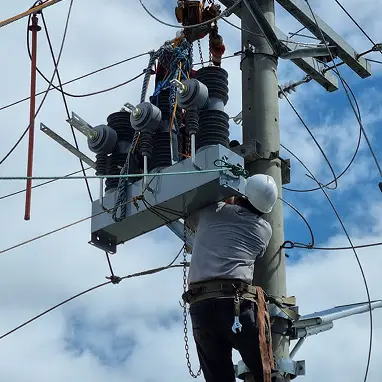
Electronically Controlled Reclosers deploy 4-cycle auto-reclosing (2 fast + 2 slow), distinguishing transient faults (lightning) from permanent failures (equipment breakdowns).
Unmatched Resilience:
Thermal/dynamic withstand: ≥20 kA/≥50 kA (handling mineral plants’ surge loads).
Epoxy resin insulation endures Nigeria’s tropical extremes: 55°C+ temperatures, >80% humidity, and dust.
2. Smart Grid Architecture: Minimizing Industrial Downtime
Ring Network Topology: Industrial main grids adopt 3-section, 3-tie recloser networks. Faults trigger sub-90-second isolation and load transfer (<1 minute), slashing outage scope.
Case: Lagos Industrial Park cut user outages by 70% via recloser-driven fault localization.
Localized Safeguards:
Low-voltage lockout prevents malfunctions during Nigeria’s ±15% grid voltage swings.
Anti-islanding algorithms block back-feeding from gas generators, protecting maintenance crews.
3. Digital Integration: Boosting Efficiency & Cost Savings
FTU + SCADA Systems embed real-time current/voltage monitoring via 4G/fiber, enabling remote recloser operations (e.g., high-risk mining zones).
AI Predictive Maintenance:
Overload forecasts auto-switch to backup lines.
Time-of-use tariffs trigger demand response, reducing industrial electricity costs.
Proven Impact: Driving Industrial Reliability & Growth
Radical Reliability Gains:
Fault isolation accelerated from 45 mins <90 seconds; industrial zone outages ↓85%.
92% transient-fault recovery rate slashed production downtime losses by 40%.
Economic Transformation:
Remote recloser ops cut manual inspections, lowering maintenance costs by 60%.
Dynamic load distribution reduced line losses by 12%, saving >$500k/year per 10 MW industrial park.
Sustainable Industrialization:
Reclosers stabilize grids for LCNG plants and lithium processing (e.g., Chilwee Project), advancing Nigeria’s “Decade of Gas”.
Partnerships with Chinese firms trained 200+ local engineers, enabling maintenance autonomy.
Deployed Equipment
-
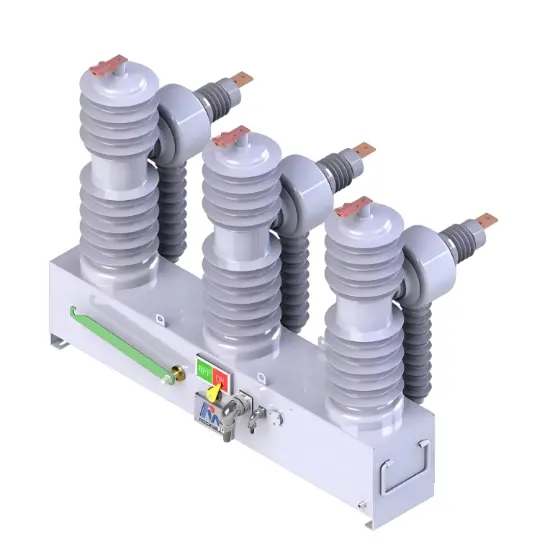 Three-phase vacuum Smart recloser/Reclosure Manufacturer-15kVAs a pioneering original equipment manufacturer (OEM) in China’s recloser industry, we have accumulated decades of R&D expertise, taken the lead in establishing the original industry standards, built a fully independent end-to-end production system, and delivered reliable product solutions for power grid construction.The RCW series automatic circuit reclosers can use on overhead distribution lines as well as distribution substation applications for all voltage classes at 50/60Hz power syste
Reference Projects
-
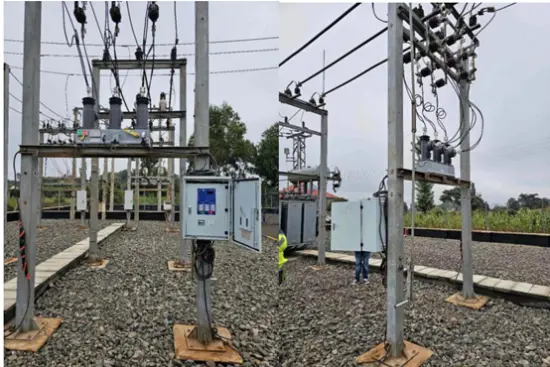 Successful Case of 170 Sets of 11kV Automatic Recloser Project in KenyaAgainst the backdrop of quality upgrading for Kenya’s urban and rural power grids, 11kV auto-reclosers deliver reliable performance to suit local climates and grid conditions. It enables rapid fault isolation and efficient operation and maintenance, forming a core safeguard for the upgrading of Kenya’s urban and rural distribution networks.01 Project Overview1.1 Project BackgroundIn May 2023, 170 sets of 11kV Automatic Reclosers (Model: RCW12M) were officially supplied and applied to the medium-