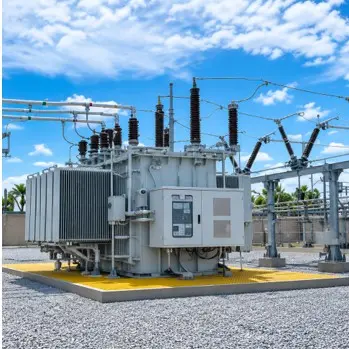
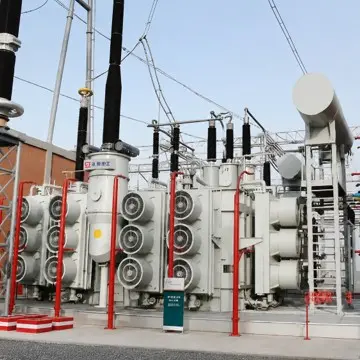
Oil-Immersed Power Transformer for Regional Transmission-138kV
Key attributes
| Brand | ROCKWILL |
| Model NO. | Oil-Immersed Power Transformer for Regional Transmission-138kV |
| Rated frequency | 50/60Hz |
| Series | S (F) |
Description
As a core transmission equipment, the S (F) series three-phase oil-immersed power transformer is designed for regional transmission networks, stepping down high voltage to medium-voltage levels for substations, industrial parks, and urban systems.
Featuring premium low-loss silicon steel cores and optimized copper windings, it delivers stable power flow over medium distances while minimizing losses. Equipped with reliable tap changers and protection sensors, it ensures fault-safe operation. The robust sealed-tank design withstands harsh environments, guaranteeing long-term operational safety and grid stability.
Product Advantages
- Regional transmission optimized — 33MVA rating matched to 138kV class substations for medium-distance power delivery (50–100km)
- High efficiency & low loss — Low-loss silicon steel cores and copper windings minimize no-load and load losses
- Flexible tap changer options — On-load (OLTC) or off-circuit (NLTC) tap changers for voltage regulation under varying loads
- Robust sealed-tank construction — Withstands temperature extremes, humidity, and pollution with corrosion-resistant coating
- Proven safety devices — Overcurrent/overvoltage relays, temperature sensors, and pressure relief valves for fault protection
- Compact footprint — Space-efficient design for urban substations and confined installation sites
- Smart grid ready — IoT-compatible monitoring for real-time oil quality, winding temperature, and partial discharge tracking
Product Showcase Video
Parameters
SF Series 138kV Three-Phase Double-Winding On-Load Tap-Changing Power Transformer
| Model | Rated Capacity (MVA) | High Voltage (kV) | HV Tapping Range | Low Voltage (kV) | Connection Group | Short-circuit Impedance (%) | No-load Loss (kW) | Load Loss (kW) | No-load Current (%) |
|---|---|---|---|---|---|---|---|---|---|
| SF-20000/138 | 20 | 138 | ±8×1.25% | 11, 20, 35 | YNd11 | 9.0 | 18.0 | 95.0 | 0.60 |
| SF-31500/138 | 31.5 | 138 | ±8×1.25% | 11, 20, 35 | YNd11 | 10.0 | 25.0 | 135.0 | 0.55 |
| SF-40000/138 | 40 | 138 | ±8×1.25% | 11, 20, 35 | YNd11 | 10.0 | 30.0 | 160.0 | 0.50 |
| SF-50000/138 | 50 | 138 | ±8×1.25% | 11, 20, 35 | YNd11 | 10.5 | 35.0 | 190.0 | 0.45 |
| SF-63000/138 | 63 | 138 | ±8×1.25% | 11, 20, 35 | YNd11 | 10.5 | 42.0 | 230.0 | 0.40 |
| SF-80000/138 | 80 | 138 | ±8×1.25% | 11, 20, 35 | YNd11 | 12.0 | 50.0 | 280.0 | 0.35 |
| SF-100000/138 | 100 | 138 | ±8×1.25% | 11, 20, 35 | YNd11 | 12.0 | 60.0 | 340.0 | 0.30 |
| SF-160000/138 | 160 | 138 | ±8×1.25% | 11, 20, 35 | YNd11 | 14.0 | 85.0 | 520.0 | 0.25 |
Three-Phase 160 MVA 138 kV Power Transformer
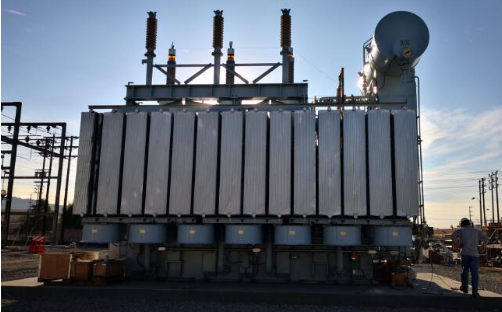
Environmental Conditions
- Ambient temperature: −25 °C to +40 °C (24h average ≤ +35 °C)
- Altitude: ≤ 1000 m
- Relative humidity: ≤ 90% (at +25 °C)
- Solar radiation: ≤ 1000 W/m²
- Pollution level: Light to heavy
Applications
- Regional Transmission Substations
- Heavy Industrial Parks and Mining Facilities
- Urban Power Distribution Networks
- Renewable Energy Integration Hubs
Reference Projects for transformer
-
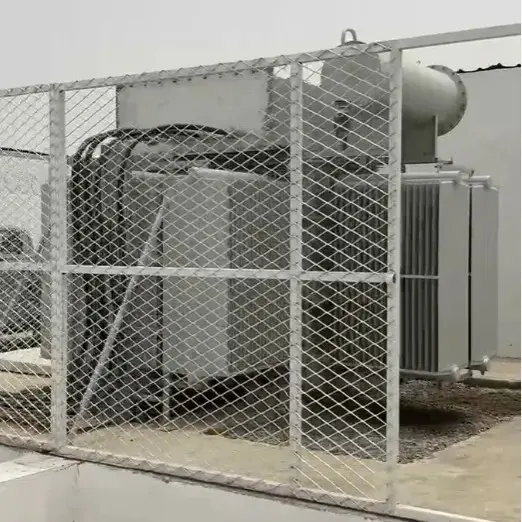 Rockwill 2500kVA Step up Transformer Success in Namibia01 General Overview: Namibia 20 MW PV Power Station Project1.1 Project BackgroundNamibia possesses some of the world’s best solar resources, with average Global Horizontal Irradiation (GHI) exceeding 2400 kWh/m². However, PV plants are often located in the central plateau and arid regions where the natural environment is extremely harsh. The project sites are situated at altitudes between 1500m and 2000m and exposed to IEC 60721-3-3 Class 3S4 environments (Severe Sand and Dust).In the
FAQ for transformer
Power transformers are classified by insulation and cooling method, voltage function, and core structure. By insulation and cooling, they fall into liquid-insulated (oil-immersed) and dry-type — oil-immersed transformers dominate transmission applications up to 345 kV and above with standardized cooling like ONAN, ONAF and OFAF, while dry-type transformers are primarily used indoors at lower voltages up to 35 kV.
By voltage function, they are divided into step-up transformers (used in power plants to raise generator voltage to transmission levels), step-down transformers (used in substations to reduce transmission voltage for sub-transmission or distribution), and autotransformers (employed for fixed-ratio system interconnections, offering high efficiency in transmission grids). By core structure, they include core-type transformers (with windings surrounding core limbs, common in EHV applications) and shell-type transformers (with core surrounding the windings).
-
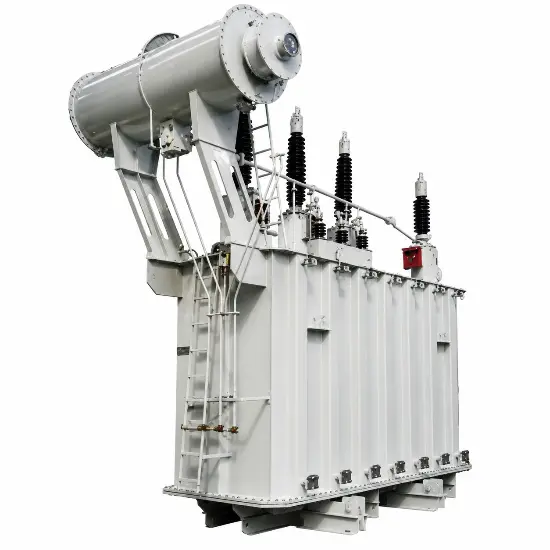
Oil-immersed High Voltage power transformer for Industrial Grid-110kV to 145kV
-
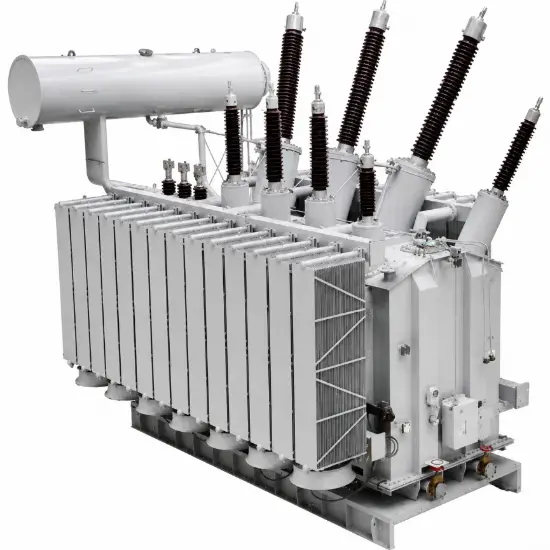
Oil-immersed three-phase transformer for transmission substation 230kV
-
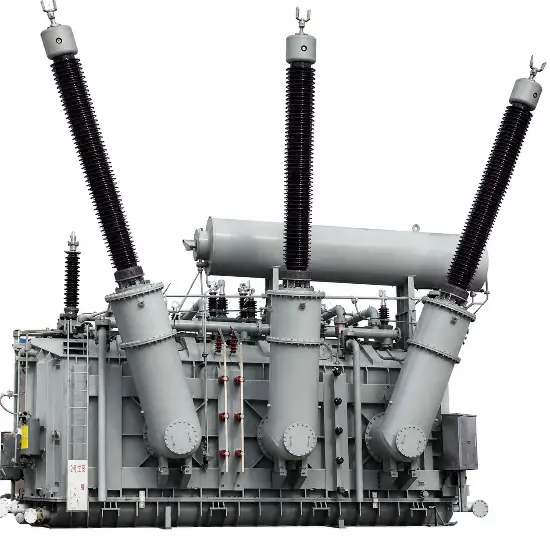
High-Voltage Oil-immersed power transformer for Transmission Grid
-
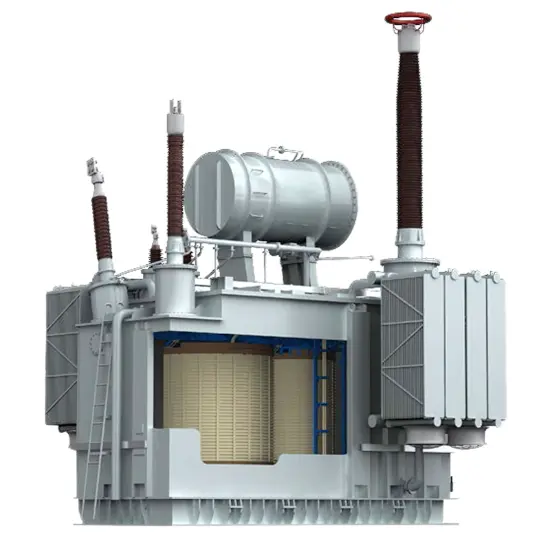
High Voltage oil-immersed Power transformer for Grid Connections
-
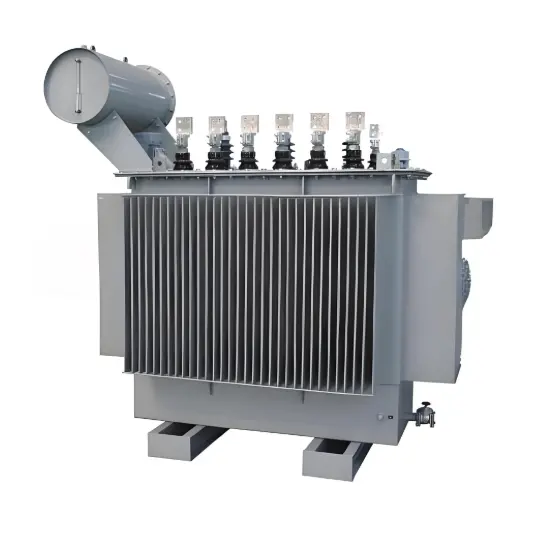
Medium-Frequency Furnace Transformer for Metal Smelting 6kV-35kV
-
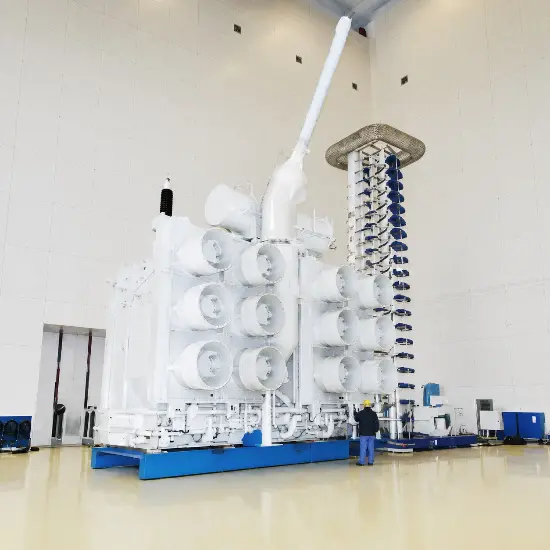
Single-Phase GSU Transformer for Nuclear Power Plant-500kV
-
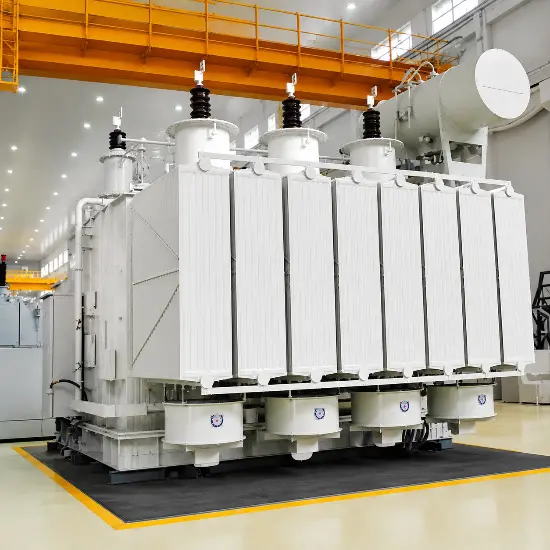
Auxiliary Transformer for Power Generation-110 / 220 kV
-
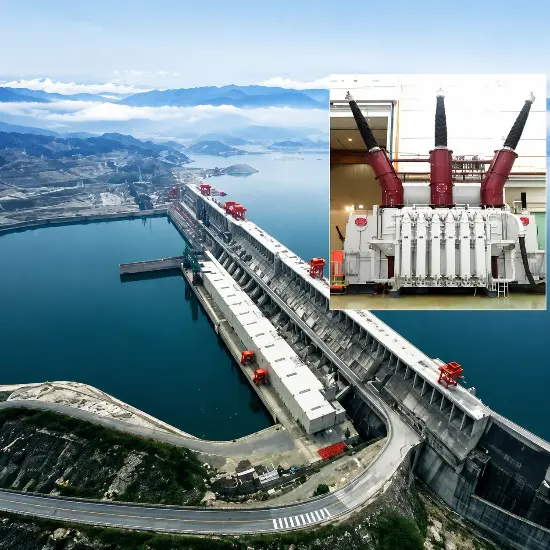
Generator Step-Up Transformer for Hydro Power Plant-500kV
-
Step-Up Transformer for UHV Grid Interconnection-1000kV
-
Oil-Immersed Power Transformer for Regional Transmission-138kV