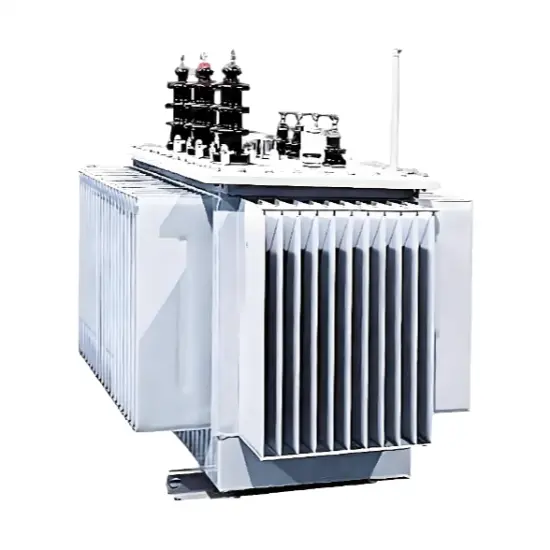
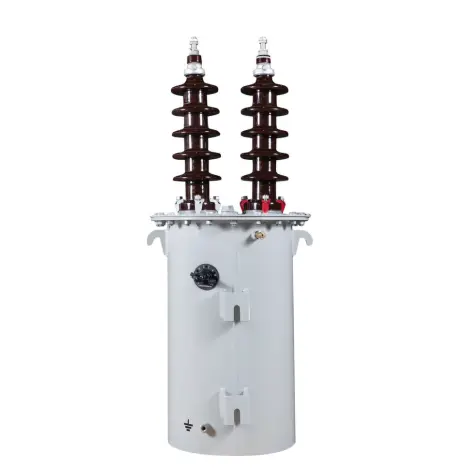
Three Phase Z-type winding Oil-Immersed Earthing Transformer source manufacturer 10kV-35kV
Key attributes
| Brand | ROCKWILL |
| Series | JDS |
| Rated system voltage | 10kV-35kV |
| Connection group | ZNyn11 |
| Rated frequency | 50 / 60 Hz |
Description
Rockwill three-phase oil-immersed Z-type earthing transformers are designed for medium-voltage power systems requiring a reliable artificial neutral point. Featuring a fully sealed oil-immersed structure with optimized zigzag (ZNyn) winding, these transformers provide stable neutral grounding for ungrounded or low-current grounded systems from 10 kV to 35 kV.
They effectively suppress arc grounding overvoltage, limit ground fault currents, and enhance grid stability. Manufactured in compliance with IEC standards, these units support a wide range of capacities, cooling configurations, and customization options for distribution and industrial applications.
Product Showcase Video
Technical Parameters
Environmental Conditions
| Max ambient air temperature | +40°C |
| Max 24h average ambient air temperature | +35°C |
| Min ambient air temperature | -25°C |
| Altitude | ≤ 1000 m |
| Max relative humidity(24h average) | ≤ 95% |
| Max relative humidity(1 month average) | ≤ 90% |
| Max water vapor pressure(24h average) | 2.2 kPa |
| Max water vapor pressure(1 month average) | 1.8 kPa |
| Solar radiation | ≤ 1000 W/m² |
| Pollution level | II |
Solutions for Earthing Transformer
-
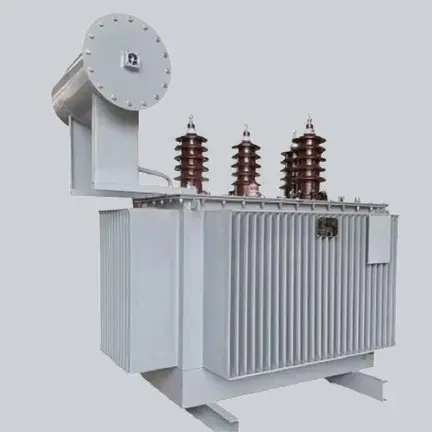 Intelligent Maintenance Services and Sustainable Solutions for Z-Type Grounding TransformersIntelligent Maintenance Services and Sustainable Solutions for Z-Type Grounding TransformersZ-type grounding transformers are critical for stabilizing ungrounded or delta-connected power systems by providing a low-impedance path for zero-sequence currents during faults. Integrating intelligent maintenance and sustainability practices enhances their reliability while minimizing environmental impact. Below is a structured analysis of advanced solutions:I. Intelligent Maintenance Services Real-Time
Documentation Resource Library Earthing Transformer
FAQ for Earthing Transformer
What are the core differences between earthing/grounding transformers and ordinary power transformers?
Earthing transformers are designed to create a neutral point and provide a fault current path, rated for short-time duty and typically featuring Z-type windings, whereas ordinary power transformers are designed for voltage transformation and power transmission, rated for continuous operation and using conventional star or delta windings.
What is an earthing/grounding transformer, and what are its core functions?
An earthing transformer is a special-purpose transformer that artificially creates a neutral point for ungrounded or low-current grounded power systems. Its core functions are to provide a low-impedance path for zero-sequence current to enable rapid fault isolation, and to suppress overvoltage on non-faulted phases, thereby protecting the insulation integrity of the power grid.
Related Products
-
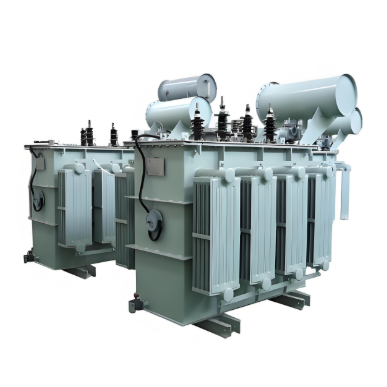
Oil-Immersed Neutral Grounding Transformer for Ground Fault Protection 17.5kV-40.5kV
-
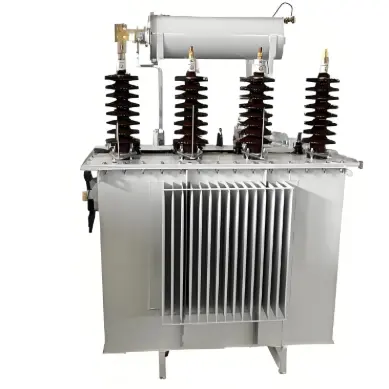
Three phase Oil Immersed Grounding /Earthing Transformer Manufacturer 15kV-35kV
-
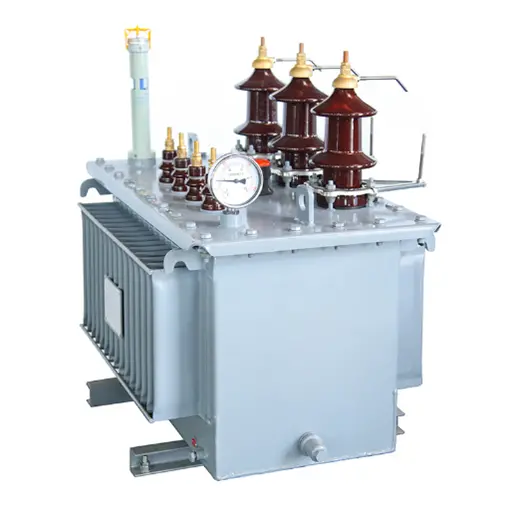
Three Phase Zig-Zag Type Oil-Immersed Earthing Transformer source manufacturer 34.5kV 35KV 88kV 110kV
-
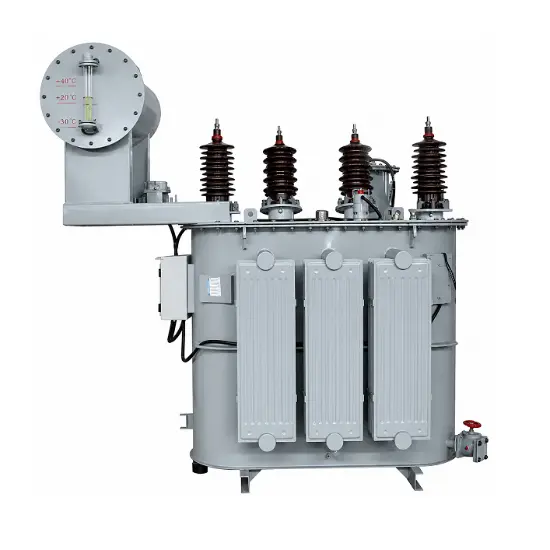
Three Phase Oil-Immersed Neutral Earthing Transformer Custom Factory-33kV
-
Three Phase Neutral Grounding/earthing Transformer direct supply 15kV-36kV
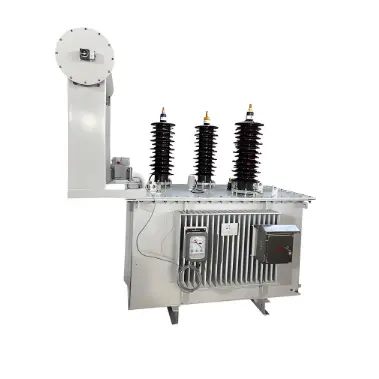
-
Oil-Immersed Zigzag Grounding/Earthing Transformer for Neutral Grounding-11kV to 35kV
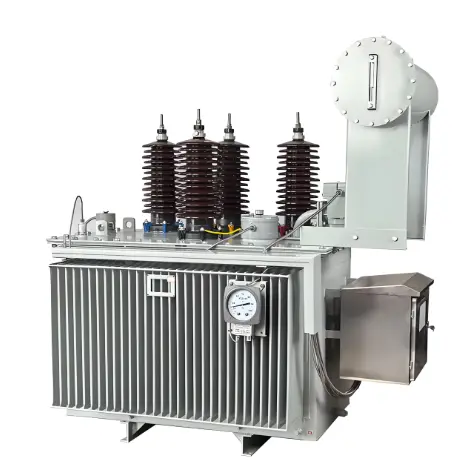
-
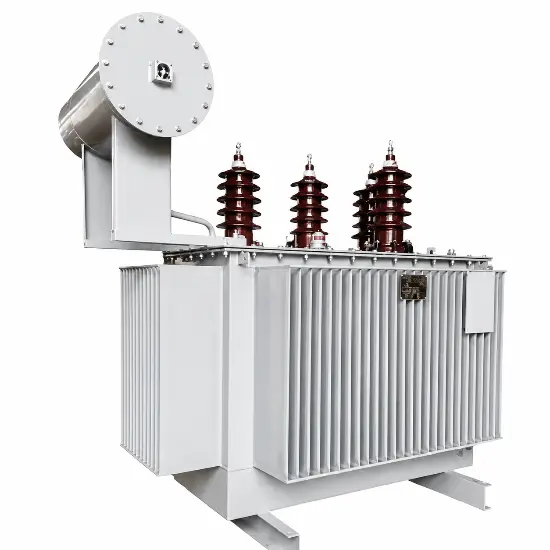
Three Phase Z-type winding Oil-Immersed Earthing Transformer source manufacturer 10kV-35kV
-
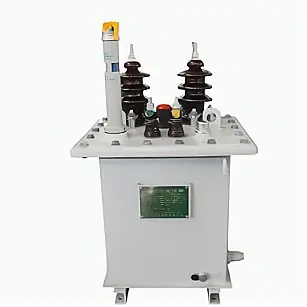
Single Phase Compact Oil Immersed Power Distribution Transformer 11kV
-
Single Phase Oil Immersed Power Distribution Transformer1250kVA/20kV
-
Oil-immersed amorphous alloy distribution transformer 35kV