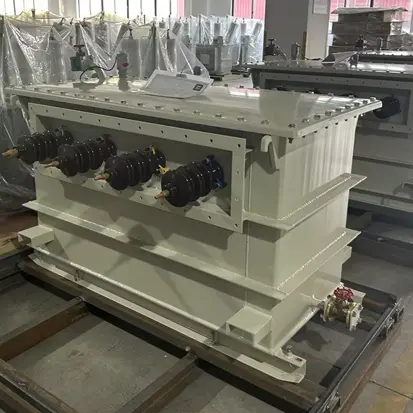
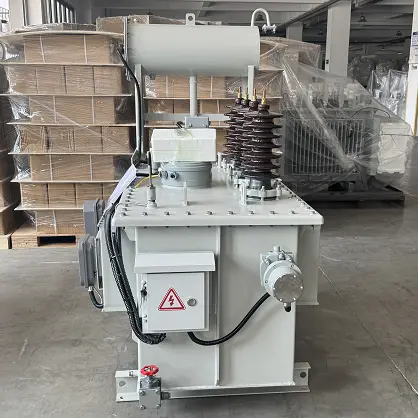
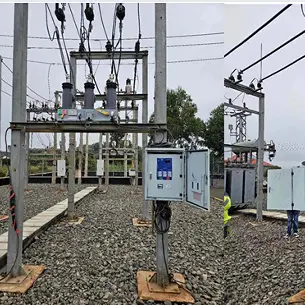
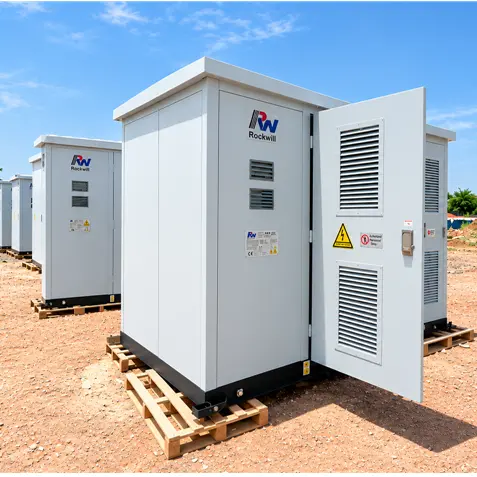
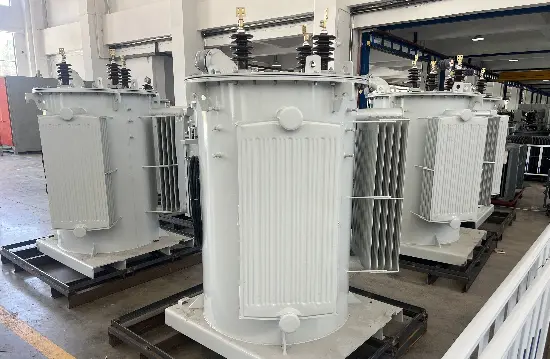
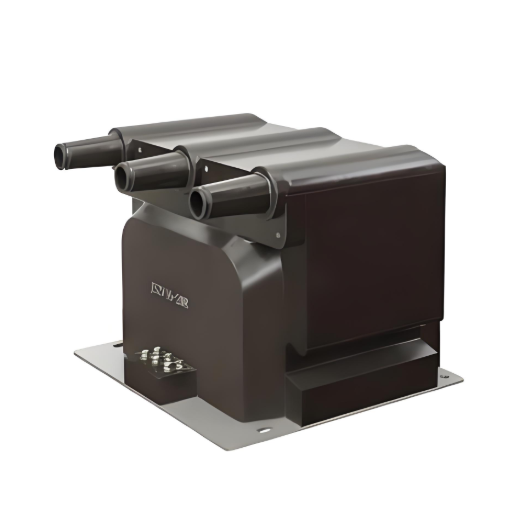
High-Precision Laboratory Standard Voltage Transformer Solution
Ⅰ. Technical Focus: Traceability to Metrological Standards
This solution centers on the national electric energy metrology reference system, employing an independently controlled traceability chain to ensure voltage measurement results are directly traceable to the International System of Units (SI). By eliminating cascading errors inherent in traditional measurement devices, it delivers reference-grade voltage measurement capabilities for advanced laboratories.
Ⅱ. Core Technical Innovations
Dual-Stage Voltage Transformer Error Compensation Structure
Utilizes a dual closed-loop design with primary + compensation windings, dynamically offsetting excitation current and leakage reactance effects through real-time reverse magnetic flux cancellation. This surpasses the theoretical accuracy limits of single-stage transformers.
Compensation winding accuracy: ±0.5 ppm, enabling automatic nonlinear error correction across a wide range (1%–120% Un).
Thermostatic Oil-Immersion Temperature Control System
Filled with high-stability synthetic ester insulating oil (thermal expansion coefficient <100 ppm/°C).
Triple-stage semiconductor temperature control:
Oil temperature precision: 55±0.05°C (exceeding±0.1°C requirement)
Temperature gradient: <0.3°C axial variation across windings
Thermal time constant >8 hours; daily drift <0.01°C.Ultra-Low TCR Quartz-Substrate Voltage Divider Resistors
Resistive elements on fused quartz substrate (CTE=0.55 ppm/°C).
Laser-trimmed thin-film metal resistors (NiCrAl alloy):
Temperature coefficient (TCR): <0.05 ppm/°C (tested average)
Voltage coefficient (VCR): <0.02 ppm/V
Annual aging rate: <3 ppm
Ⅲ. Application Scenarios
National metrology institute voltage standards
Power monitoring for chip manufacturing equipment (e.g., 0.1nm-resolution etchers)
Precision certification of magnetic confinement power supplies in fusion devices
Reference resistivity measurements for novel semiconductor materials