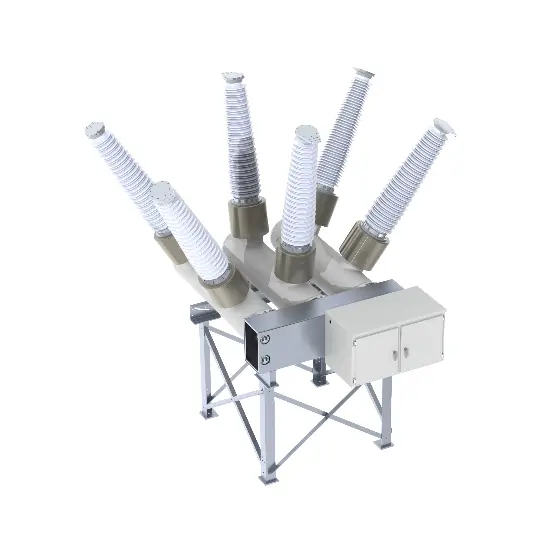
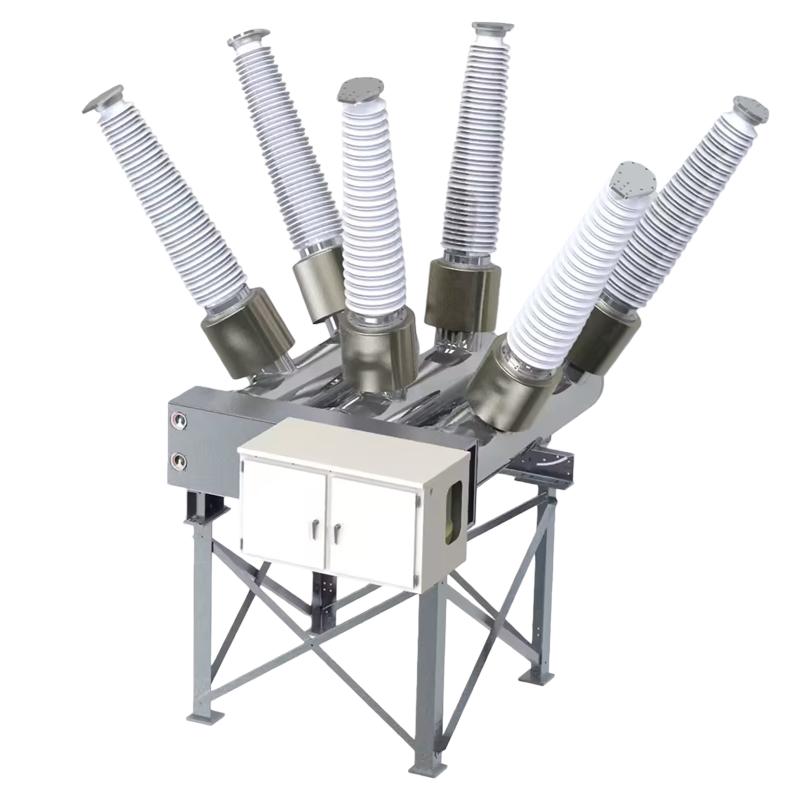
SF6 Free/Pure Air Dead tank vacuum circuit breaker 12kV-145kV
Key attributes
| Brand | ROCKWILL |
| Series | RVD |
| Rated voltage | 12…145kV |
| lightning impulse withstand voltage | 75…650kV |
| Rated short-circuit breaking current | 25–50kA |
| Rated frequency | 50/60Hz |
Description
ROCKWILL® Electric is committed to providing customers with cutting-edge technology, competitive pricing, and superior after-sales services to advance automated distribution. As the power industry evolves, the miniaturization of electrical equipment represents a key future trend and an urgent need for current power consumers.
Miniaturized electrical equipment not only saves land and civil engineering costs but also reduces the use of greenhouse gases like sulfur hexafluoride (SF₆), thereby meeting ecological and environmental protection requirements.Leveraging years of extensive experience in high-voltage electrical design and incorporating globally advanced technical design philosophies, our company has developed the latest RVD Dead Tank Vacuum Circuit Breaker.
This product is tailored for power utilities and enterprises pursuing high power supply reliability, advancing distribution automation upgrades, and operating in harsh environments. It serves not just as a simple line switch but as a critical component in building smart, resilient distribution grids.
Main characteristic
-
Eco-friendly Design: SF₆ and fluorinated greenhouse gases free, adopting clean air for insulation with zero GWP; insulating gas can vent directly to atmosphere without greenhouse pollution.
-
High Operational Safety: Non-toxic air insulation produces no poisonous arc decomposition by-products; no special gas handling needed for maintenance or equipment decommissioning.
-
Outstanding Performance: Built on decades of proven vacuum interruption technology, it maintains stable breaking performance under rated normal and short-circuit currents. Hermetically sealed vacuum interrupter is maintenance-free throughout service life, with over 50-year service lifetime and first major inspection after minimum 25 years.
-
Wide Environmental Adaptability: Works reliably across -50℃ ~ +55℃; insulation air avoids liquefaction risk, available for both indoor and outdoor installation.
Product Structure
| Structural Aspect | Key Components & Characteristics |
|---|---|
| Core Technology | Vacuum interrupter technology + Clean air insulation. This forms the foundation for achieving "zero harm". |
| Insulation Medium | Clean air (80% nitrogen, 20% oxygen), with a Global Warming Potential (GWP) = 0, non-toxic and harmless. |
| Key Components | 1. Vacuum interrupter chamber: Sealed design, maintenance-free for life. 2. Spring-operated mechanism: Mature and reliable technology. 3. Low-power instrument transformer (LPIT): Optional integration, combining voltage and current transformers into one unit, saving space. |
| Physical Structure | Modular design, available in standard and compact versions (with LPIT), suitable for indoor/outdoor installation. |
Main technical parameters
|
Item |
Parameter |
|---|---|
|
Rated voltage |
12-145kV |
|
Rated frequency |
50/60Hz |
|
Rated short-duration power-frequency withstand voltage (1 min) |
42-275kV |
|
Rated lightning impulse withstand voltage (1.2/50 μs) |
75-650kV |
|
Rated continuous current - bus bar / feeder bus coupler |
1250-3150A |
|
Rated short-circuit breaking current |
25-50kA |
|
Rated peak withstand current |
63, 80, 100, 135kA |
|
Rated short-time withstand current (up to 3 s) |
25,31.5,40,50kA |
|
Leakage rate per year and gas compartment (type tested) |
<0.1% |
|
Drive mechanism of circuit-breaker |
stored energy spring |
|
Rated operating sequence |
O-0.3s-CO-3min-CO CO-15s-CO |
|
interrupter technology |
vacuum |
|
Insulation medium |
clean air |
|
Weight of SF₆ or other fluorinated green-house gases |
0 kg |
|
Rated filling pressure |
0.8 MPa (abs.) |
|
Bay width common pole drive |
1000 mm |
|
Ambient temperature range |
-50℃~+55℃ |
|
Installation |
Indoor/outdoor |
|
First major inspection |
>25 years |
|
Expected lifetime |
>50 years |
|
Standards |
IEC/IEEE |
Optional LPIT
Optional Low-Power Instrument Transformer (LPIT) combines voltage and current transformer functions in one device. A single unit meets both protection and measurement requirements, allows flexible installation, and helps reduce the equipment's size and weight.
Service environment
-
Air temperature: Maximum temperature: +55℃; Minimum temperature: -50℃
-
Relative humidity (24h avg):≤ 95%
-
Above sea level: Maximum installation altitude: 1000m.
If it needs to be installed in plateau areas with an altitude higher than 1,000 meters, it is essential to consult with the manufacturer to take necessary measures to strengthen insulation during the ordering process.
When operating in an area with a temperature of -40℃, measures need to be taken to prevent SF₆ gas from liquefying.
Application Scenarios
- Green / F-gas-Free Distribution Grids
- Harsh-Cold & High-Altitude Sites
- Smart Resilient Distribution Automation
- Space-Constrained Substations
- Industrial & Renewable High-Reliability Supply
Documentation Resource Library Dead Tank circuit breaker
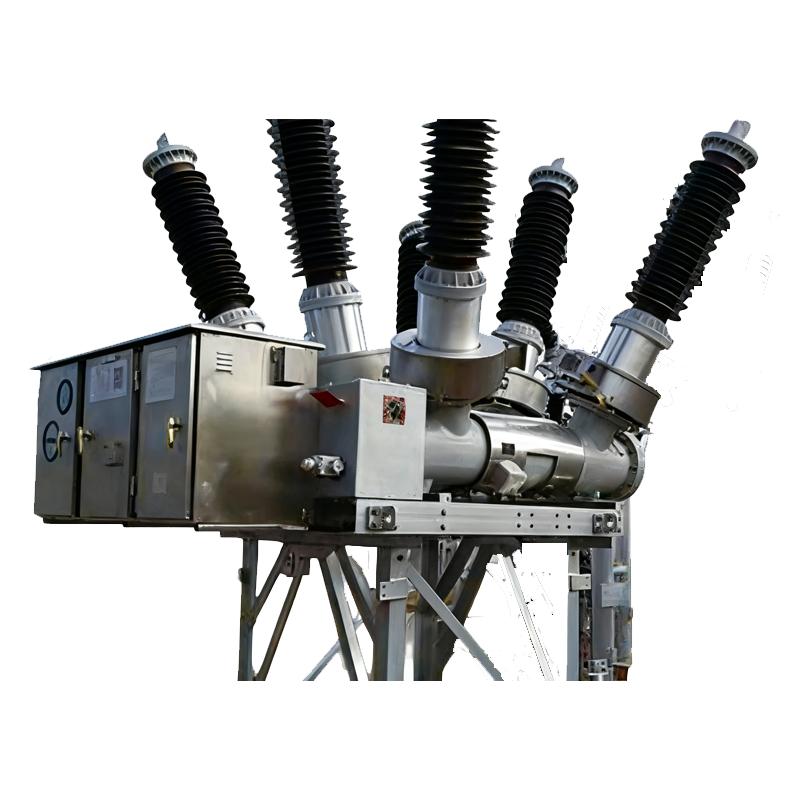
FAQ for Dead Tank circuit breaker
145kV is a mainstream standard grade in China, 138kV is an American standard specification, and 252kV is suitable for higher-voltage scenarios. Core differences and selection points: ① Insulation and parameters — the break spacing and rated SF6 pressure (0.7MPa) of 252kV are both higher than the other two; 138kV and 145kV can share some structures but require adjustment of the voltage sampling threshold; ② Key selection points — 138kV prioritizes matching interfaces of imported equipment, 145kV focuses on maturity, and 252kV needs to verify the breaking capacity of ≥63kA and the insulation coordination test report.
During the normal operation and interruption processes of a circuit breaker, SF₆ gas can decompose, producing various decomposition products such as SF₄, S₂F₂, SOF₂, HF, and SO₂. These decomposition products are often corrosive, toxic, or irritating, and therefore require monitoring.If the concentration of these decomposition products exceeds certain limits, it may indicate abnormal discharges or other faults within the arc quenching chamber. Timely maintenance and handling are necessary to prevent further damage to the equipment and to safeguard personnel health.
The leakage rate of SF₆ gas must be controlled at an extremely low level, typically not exceeding 1% per year. SF₆ gas is a potent greenhouse gas, with a greenhouse effect 23,900 times that of carbon dioxide. If a leak occurs, it can not only cause environmental pollution but also lead to a decrease in the gas pressure within the arc quenching chamber, affecting the performance and reliability of the circuit breaker.
To monitor the leakage of SF₆ gas, gas leakage detection devices are typically installed on tank-type circuit breakers. These devices help to promptly identify any leaks so that appropriate measures can be taken to address the issue.
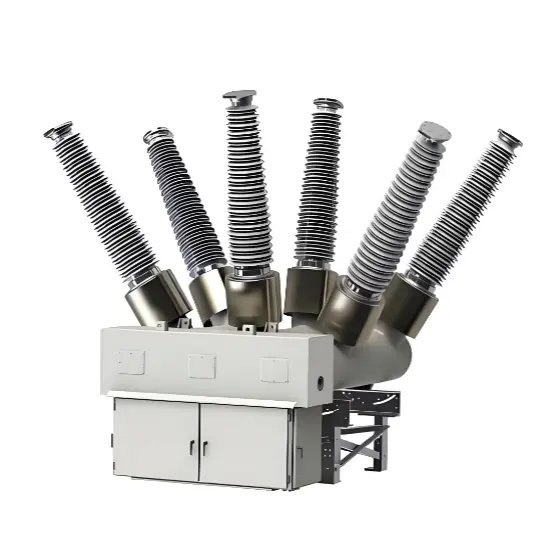
The interrupter is typically installed inside the tank, resulting in a highly compact overall structure that enables efficient arc quenching within a limited space. Depending on the arc extinguishing principle and technical approach, the specific configuration of the interrupter may vary, but all designs include core components such as moving/stationary contacts, a nozzle, and insulating parts. During opening operation to interrupt the current, these components work together to achieve fast and reliable extinction of the arc.
-
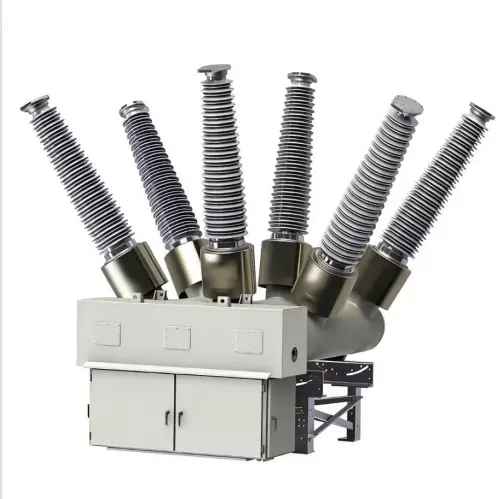
SF6 Free/Pure Air Dead tank vacuum circuit breaker 12kV-145kV
-
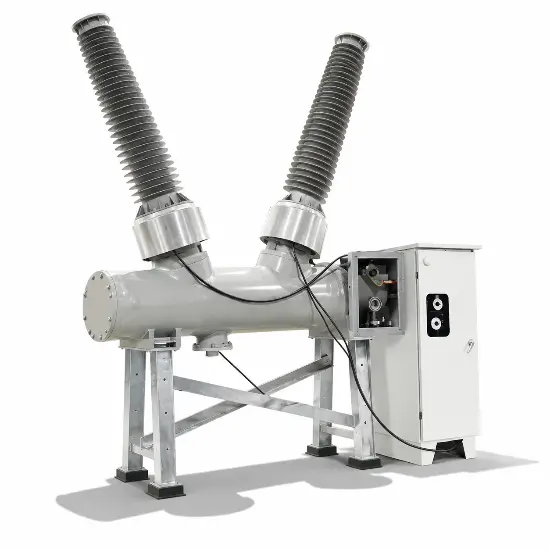
Customization Dead tank SF6 Gas Circuit-Breaker 362kV- 420kV
-
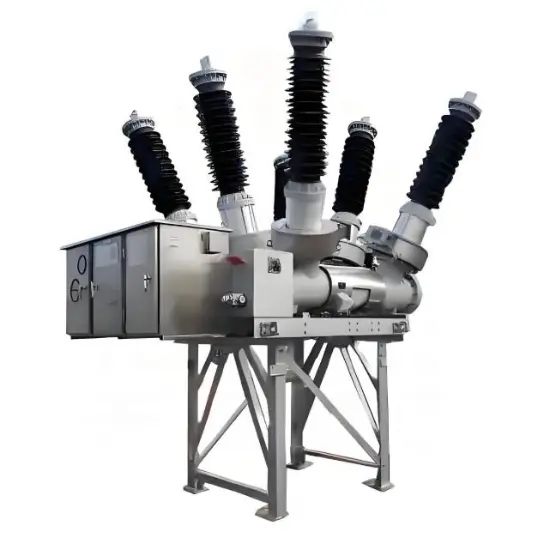
AC Dead tank SF6 circuit breaker IEC Standard -145kV 170kV
-
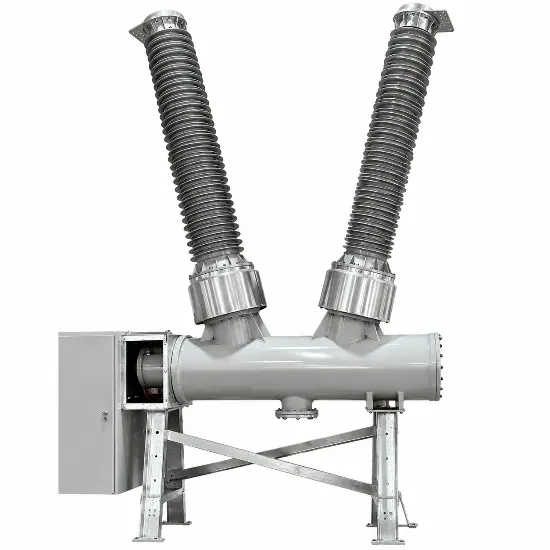
Outdoor Dead Tank SF6 Circuit Breaker direct supply 362kV
-
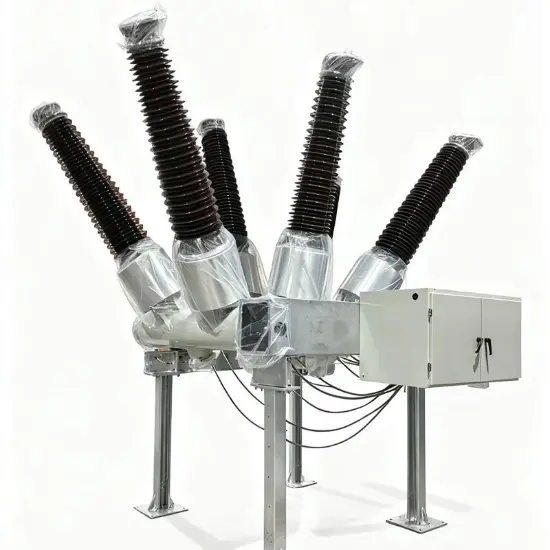
Dead Tank SF6 Gas Circuit Breaker Original Manufacturer-145kV to 170kV
-
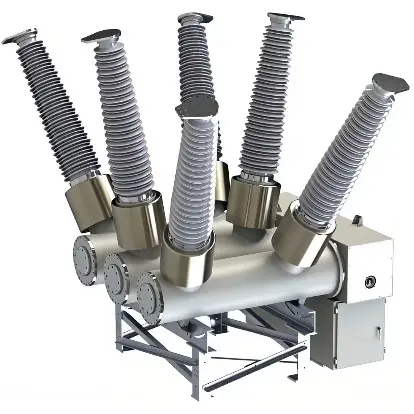
Eco‑friendly Dead Tank Vacuum Circuit Breaker(VCB)-36kV 72.5kV
-
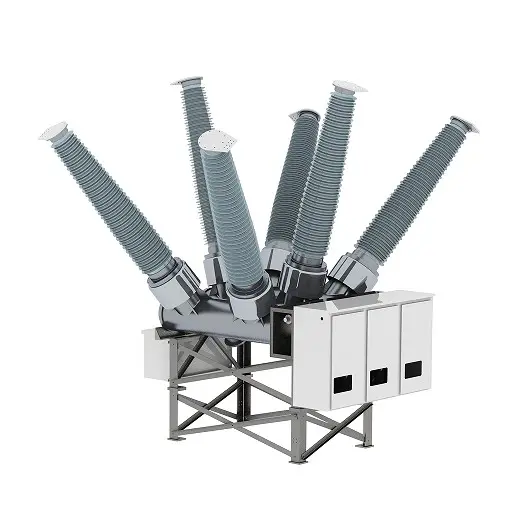
Maintenance-Free HV Dead-Tank SF6 Circuit Breaker for Large-Scale Substations-230kV to 252kV
-
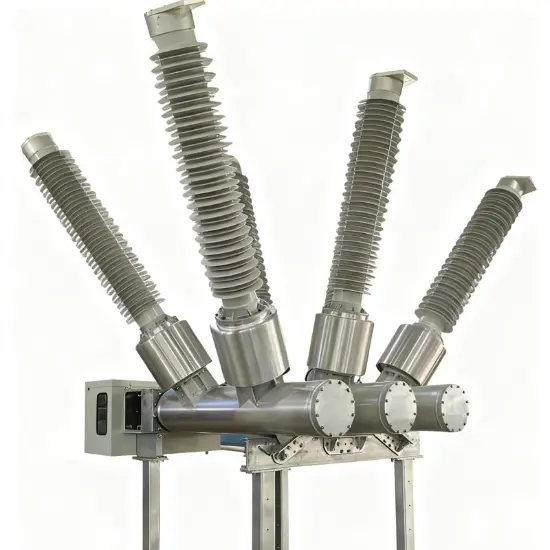
Original Manufacturer Dead-Tank SF6 Circuit Breaker-170kV
-
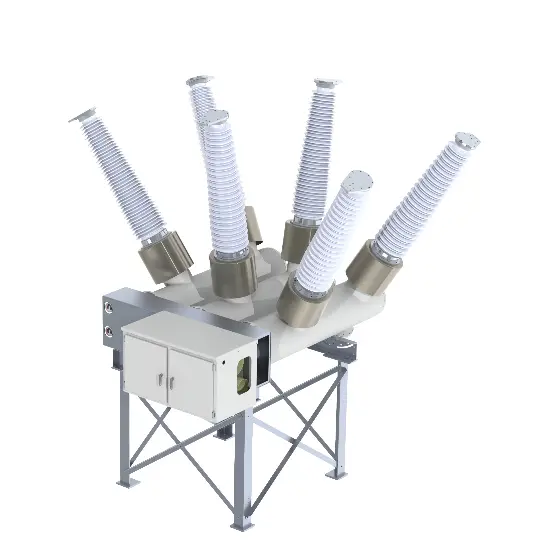
SF6-free Dead Tank Circuit Breaker Direct Supply-72.5 kV
-
SF6-free Dead Tank Circuit Breaker manufacturer-145 kV