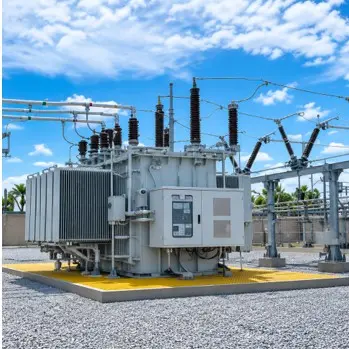
Step-Up Transformer for UHV Grid Interconnection-1000kV
Key attributes
| Brand | ROCKWILL |
| Model NO. | Step-Up Transformer for UHV Grid Interconnection-1000kV |
| Rated frequency | 50/60Hz |
| Series | ODFPS |
Description
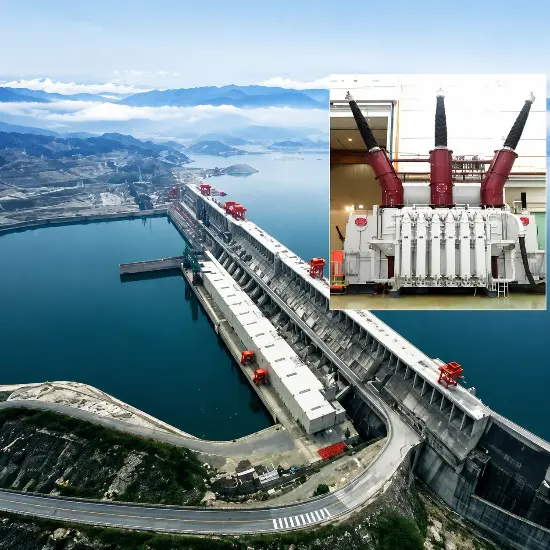
A 1000kV Transmission Transformer is a cutting-edge ultra-high voltage (UHV) power equipment designed for long-distance, large-capacity electricity transmission in UHV AC grids. Its core function is to step up or step down voltage at key grid nodes: when connected to power sources (e.g., large hydropower, thermal, or nuclear plants), it boosts electricity to 1000kV for efficient long-haul transmission, minimizing line losses; at receiving ends, it reduces 1000kV to lower levels (e.g., 500kV) for distribution to regional grids.
As a cornerstone of UHV networks, it enables cross-regional power allocation, supporting the integration of remote clean energy (e.g., west-to-east power transmission in China) and enhancing grid stability.
-
1-ph, 1000kV,1000MVA
Features of 1000kV Transmission Transformer
- Ultra-High Voltage & Large Capacity: Operates at a rated voltage of 1000kV, with single-unit capacities typically ranging from 1000MVA to 2400MVA. This allows it to transmit over 10GW of power per circuit, far exceeding the capacity of 500kV transformers, making it ideal for nationwide energy transmission.
- Low Transmission Loss: Adopts advanced technologies such as ultra-thin high-permeability silicon steel cores, optimized winding designs, and low-resistance conductors. These reduce no-load and load losses by 20–30% compared to 500kV transformers, ensuring over 99% efficiency even over thousands of kilometers.
- Robust Insulation & Safety: Uses high-quality insulation materials (e.g., nanocomposite paper, refined transformer oil) and multi-level insulation structures to withstand extreme electric fields (up to 400kV/m). Equipped with sophisticated monitoring systems (e.g., partial discharge sensors, oil chromatography analyzers) to detect faults early and prevent insulation breakdown.
- Environmental Adaptability: Designed to operate in diverse conditions, including high-altitude regions (≥3000m), seismic zones (up to 9 degrees), and extreme temperatures (-40°C to 50°C). Features enhanced cooling systems (e.g., forced oil circulation with air/water cooling) to maintain stable performance in harsh climates.
- Modular & Transport-Friendly Design: For remote or mountainous areas, some models use split-type structures (disassembled into core, windings, and tank) for easier transportation. On-site assembly ensures they can be deployed in locations with challenging logistics, such as valleys or plateaus.
- Grid Stability Support: Integrates with smart grid systems via digital interfaces, enabling real-time voltage regulation, reactive power compensation, and synchronization with grid frequency. This helps mitigate voltage fluctuations and improves the resilience of UHV networks against load changes or faults.
Parameters
| Model | Rated Power (MVA) | HV (kV) | MV (kV) | LV (kV) | Freq (Hz) | Connection | Winding | Cooling | Impedance (%) | Regulation |
|---|---|---|---|---|---|---|---|---|---|---|
| ODFPS-1000000/1000 | 1000 | 1050/√3 | 525/√3 | 110 | 50 | YNa0d11 | Three | OFAF | 18–20 | NLTC |
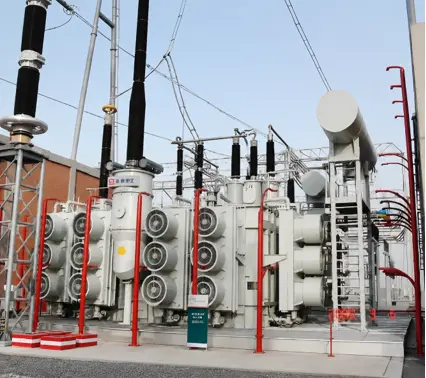
1000kV On-site Operation Diagram
Environmental Conditions
- Ambient temperature: −25 °C to +40 °C (24h average ≤ +35 °C)
- Altitude: ≤ 1000 m
- Relative humidity: ≤ 90% (at +25 °C)
- Solar radiation: ≤ 1000 W/m²
- Pollution level: Light to heavy
-
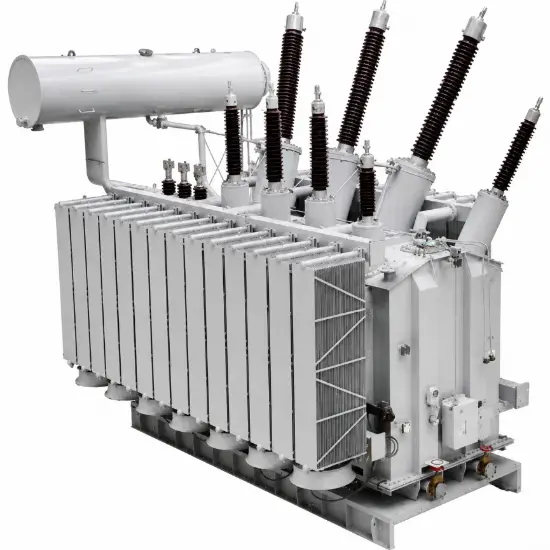
Customization Oil-immersed Three-Phase Transformer for Transmission Substation
-
High Voltage oil-immersed Power transformer for Grid Connections
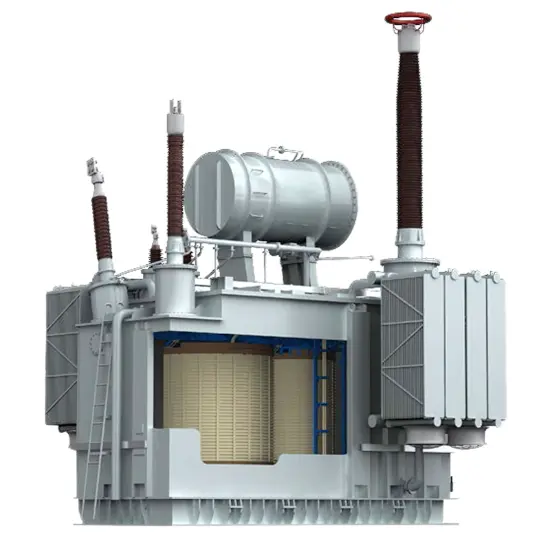
-
Medium-Frequency Furnace Transformer for Metal Smelting
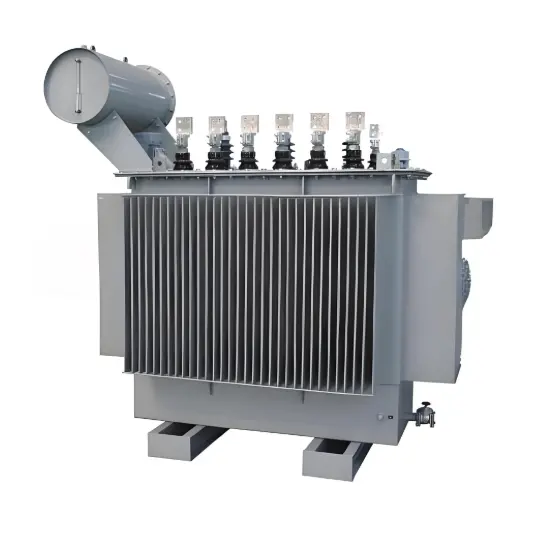
-
Single-Phase GSU Transformer for Nuclear Power Plant-500kV
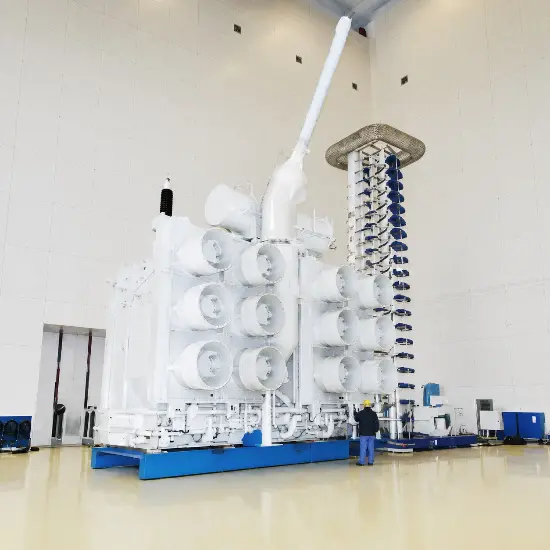
-
Auxiliary Transformer for Power Generation-110 / 220 kV
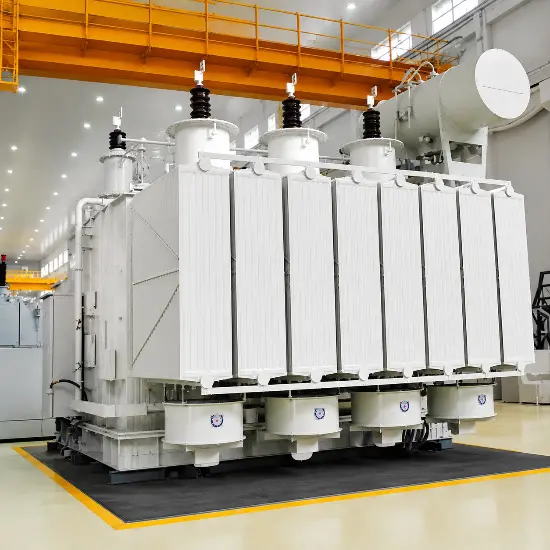
-
Generator Step-Up Transformer for Hydro Power Plant-500kV
-
Step-Up Transformer for UHV Grid Interconnection-1000kV
-
Oil-Immersed Power Transformer for Regional Transmission-138kV