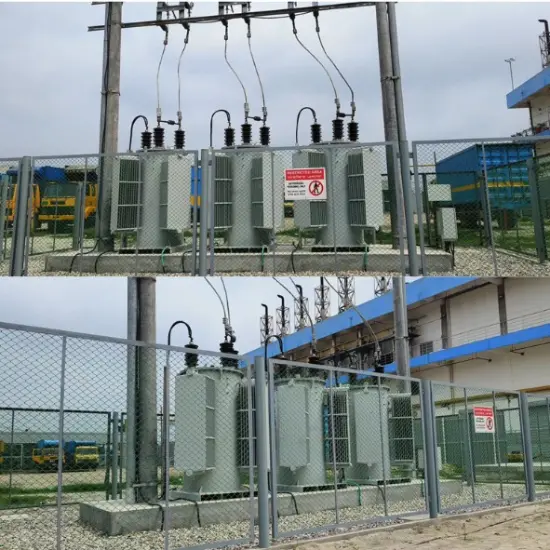
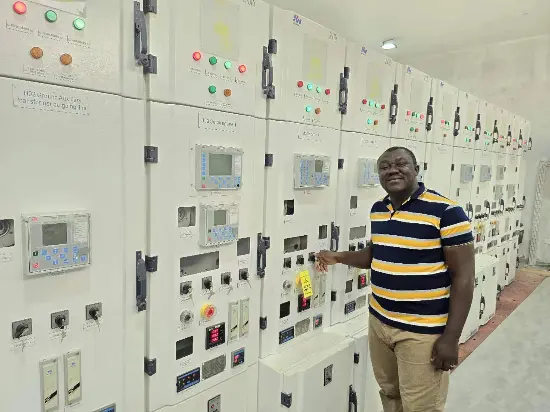
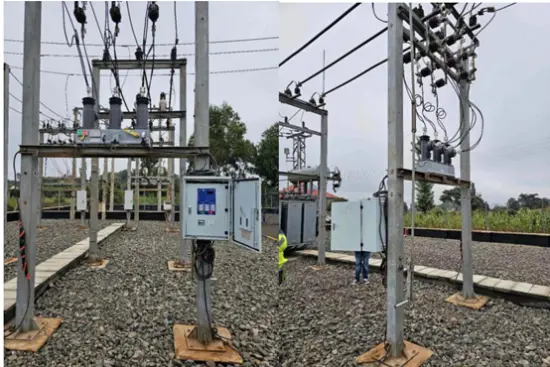
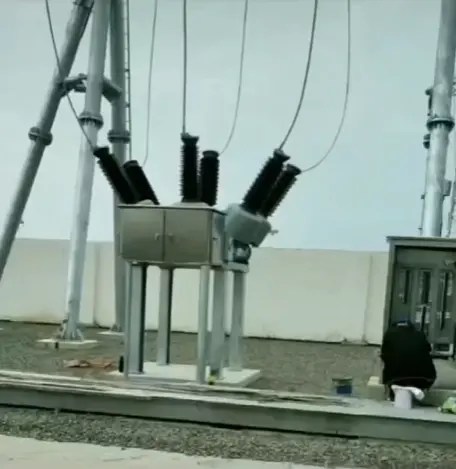
Rockwill 2500kVA Step up Transformer Success in Namibia
01 General Overview: Namibia 20 MW PV Power Station Project
1.1 Project Background
Namibia possesses some of the world’s best solar resources, with average Global Horizontal Irradiation (GHI) exceeding 2400 kWh/m². However, PV plants are often located in the central plateau and arid regions where the natural environment is extremely harsh. The project sites are situated at altitudes between 1500m and 2000m and exposed to IEC 60721-3-3 Class 3S4 environments (Severe Sand and Dust).
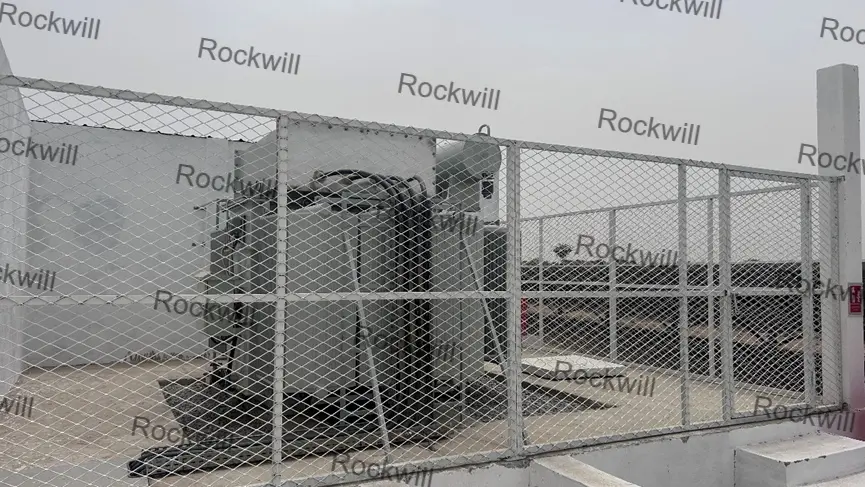
In these conditions, conventional transformers face severe risks of insulation derating at high altitudes, bushing flashovers caused by sand, and cooling failures in extreme heat. As an experienced power equipment provider, Rockwill customized and delivered 38 units of 2500 kVA step-up transformers for this 20 MW PV project, ensuring long-term asset security through specialized technical optimizations.
1.2 Technical Specification
For high-altitude and desert conditions, the delivered equipment exceeds industry standard parameters in terms of insulation margin and loss control.
| Parameter | Specification |
|---|---|
| Equipment Type | Three-phase Oil-immersed Step-up Transformer |
| Rated Capacity | 2500 kVA |
| Voltage Ratio | 33 ± 2x2.5% / 0.8 kV |
| Vector Group | Dyn11 |
| Efficiency Standard | Compliance with IEC 60076-20 Level 1 |
| Lightning Impulse (BIL) | 200 kV (After high-altitude correction) |
| Anti-corrosion Grade | ISO 12944 C5-M |
| Protection Grade | IP55 (Control Box/Junction Box) |
02 Manufacturing Quality: Reliability for Extreme Environments
2.1 High Altitude Insulation Process
For every 100m increase in altitude, air insulation strength decreases by approximately 1%. For the extreme 2000m altitude of this project, we introduced the Ka correction coefficient design, increasing the high-voltage side BIL from the standard 170 kV to 200 kV.
2.2 Enhanced Cooling and Temperature Control
Namibia’s ground temperatures often exceed 50°C, with high evaporation rates.
- Heavy-duty Cooling System: The radiator area is increased by 25% compared to conventional designs. Optimized oil duct layouts ensure the winding hot-spot temperature remains well below standard limits during full-load operation.
- Sealing Technology: A hermetically sealed corrugated tank structure is used to completely isolate external dust and moisture, ensuring that the insulation oil does not oxidize or deteriorate under extreme conditions.
2.3 C5-M Grade Desert Anti-corrosion Process
To counter Class 3S4 sand erosion, the tank surface underwent a rigorous ISO 12944 C5-M grade heavy-duty anti-corrosion coating process. The base sandblasting reaches Sa 2.5 grade, combined with multiple layers of zinc-rich coatings to effectively resist abrasive wear from high-speed sand particles.
2.4 Final Assembly
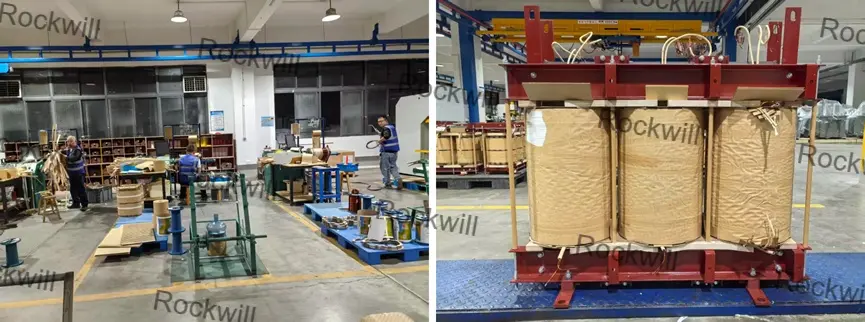
On Rockwill’s standardized production lines, every transformer undergoes a precise assembly process:
- Core Stacking: High-permeability oriented silicon steel sheets and full-oblique joint stacking processes are used to significantly reduce no-load losses and noise.
- Winding Drying: Windings undergo strict vacuum drying to completely eliminate internal moisture, enhancing insulation strength.
- Vacuum Oil Filling: Oil filling is completed under high vacuum to ensure the oil fully fills every gap, eliminating bubbles and ensuring electrical stability for long-term operation.
03 Rigorous Testing: Compliance with IEC and IEEE Standards
Rockwill always regards quality as the lifeline of the enterprise. Before mass delivery, this series of transformers passed a complete set of Type Tests in accordance with the IEC 60076 series in an international authoritative third-party laboratory, including:
- Temperature Rise Test: Verifying cooling performance in extreme heat.
- Lightning Impulse Test: Ensuring the insulation margin after Ka coefficient correction is fully met.
- Short-circuit Withstand Test: Verifying the stability of the mechanical structure.
For the 38 units delivered, 100% Routine Tests were performed before leaving the factory to ensure the quality of each unit:
- High-altitude Simulated Insulation Test: Verifying dielectric consistency at corrected voltage levels.
- Sealing Pressure Test: 24-hour constant pressure testing on the corrugated tank to ensure zero leakage in desert climates with extreme temperature swings.
- No-load/Load Loss Measurement: Ensuring every unit outperforms IEC 60076-20 Level 1 energy-saving standards to maximize PV power generation revenue.
04 Packing and Shipping: Secure Logistics Across Tropical Seas
4.1 Packing
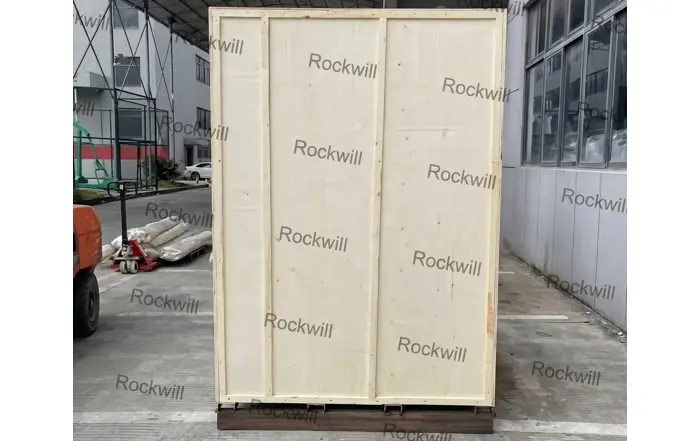
Equipment is reinforced with heavy-duty base supports, and fragile parts like radiators and bushings are fitted with specialized protective covers. Fumigated sea-freight wooden crates are used, equipped with internal humidity sensors.
4.2 Shipping
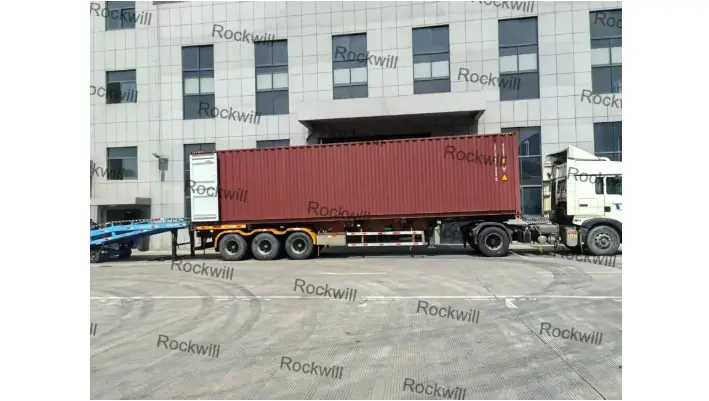
After maritime transport to Walvis Bay and long-distance inland road transport, tilt-labels are used for monitoring to ensure no displacement of the precision transformer body.
05 Installation and Value Summary
5.1 Site Performance
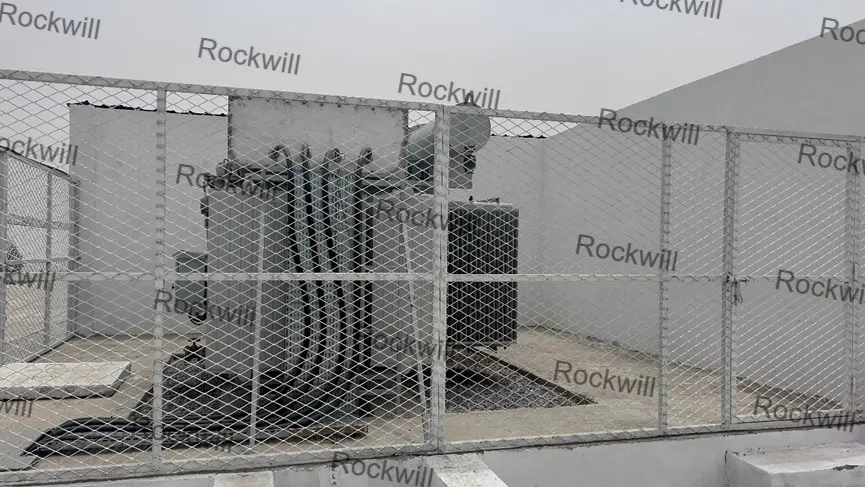
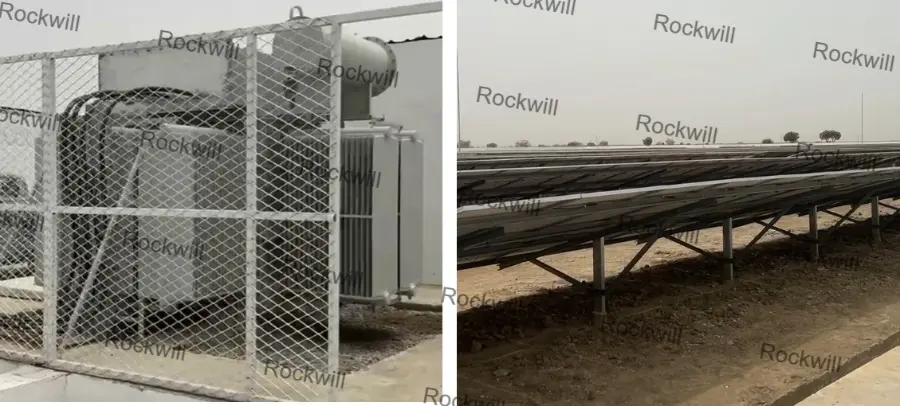
The equipment achieved “plug-and-play” upon arrival at the site, with standardized interface designs greatly reducing construction difficulty. Over 12 months of operation, monitoring data shows that after multiple Class 3S4 sandstorms, no corona or flashover has occurred on the bushing surfaces.
5.2 Summary
The successful grid connection of 38 units of 2500 kVA step-up transformers marks the high-reliability operation of Namibia’s 20 MW PV power station in extreme environments. Relying on the technical combination of “Ka Correction Insulation + C5-M Anti-corrosion + Hermetically Sealed Maintenance-free Design,” the maintenance frequency has been reduced by approximately 35%, significantly improving the plant’s availability. This landmark case provides a mature and replicable technical model for clean energy development in high-altitude desert regions in Africa.
06 Lifecycle Services
Rockwill provides professional services covering the entire lifecycle of the equipment:
- Spare Parts Support: Specialized spare parts centers are established in Southern Africa to ensure the fast supply of key seals and accessories.
- Remote Technical Diagnosis: Providing health assessments based on operational data to assist owners with predictive maintenance.
- Lifetime Technical Support: A team of senior engineers provides 24/7 response to ensure every kilowatt-hour of green power is safely sent to the grid.
Copyright Notice: This document belongs to the “Success Case” team. Unauthorized reproduction is prohibited.
Deployed Equipment
-
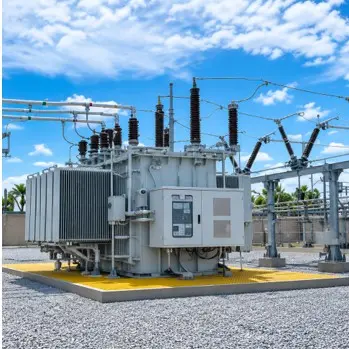 Oil-Immersed Power Transformer for Regional Transmission-138kVAs a core transmission equipment, theS (F) seriesthree-phase oil-immersed power transformer is designed for regional transmission networks, stepping down high voltage to medium-voltage levels for substations, industrial parks, and urban systems. Featuring premium low-loss silicon steel cores and optimized copper windings, it delivers stable power flow over medium distances while minimizing losses. Equipped with reliable tap changers and protection sensors, it ensures fault-safe operation. The ro
 -
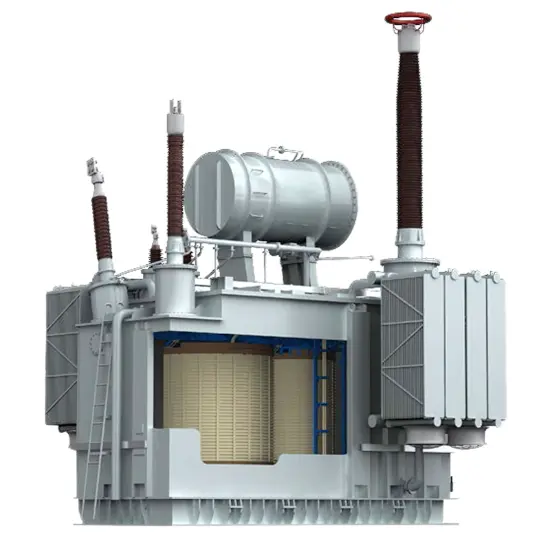 High Voltage oil-immersed Power transformer for Grid ConnectionsCustomizable EHV oil-immersed power transformer featuring high-grade silicon steel core and optimized winding structure with on-load tap changer for precise voltage regulation. Premium insulation and enhanced mechanical durability ensure stable long-distance bulk power transmission. FeatureSolving the dual challenges of tropical heat and humidityResistant to salt fog corrosion, suitable for offshore / coastal power applicationsFully sealed design, preventing sand and dust from affecting voltage