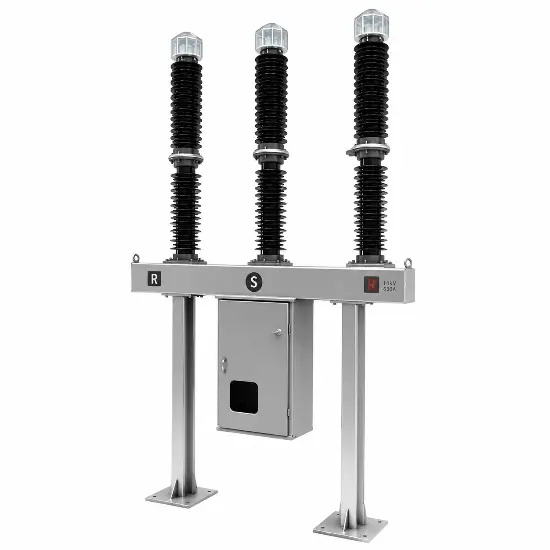
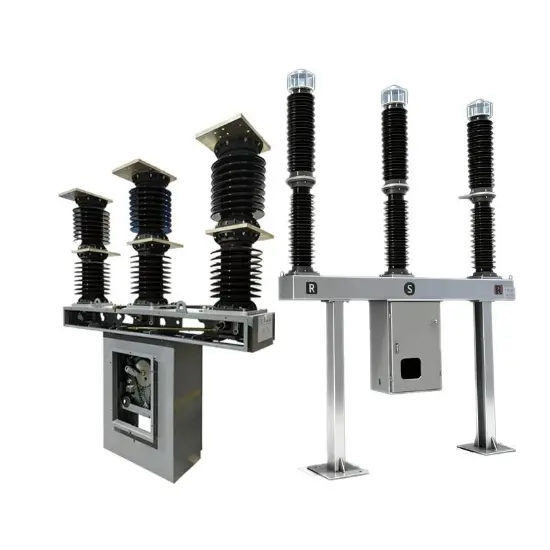
Customization 123kV 145kV or Others Live tank SF6 Gas Circuit-Breaker
Key attributes
| Brand | ROCKWILL |
| Series | RHB |
| Rated voltage | 123kV/145kV |
| Rated current | up to 4000kA |
| Rated peak withstand current | up to 158 kA |
| Rated frequency | 50/60Hz |
Description
Product Overview
The Live tank SF6 gas circuit breaker (equipped with CT - type spring operating mechanism) is an outdoor three - phase AC 50HZ high - voltage power transmission equipment.
It is used to interrupt and close the rated current, interrupt the fault current, or switch the circuit, so as to achieve the control and protection of the power transmission line.
This circuit breaker can not only perform single - pole opening, closing, and fast auto - reclosing operations, but also, through the electrical interlocking among the three poles, conduct three - pole opening, closing, and fast auto - reclosing operations.
The circuit breaker adopts the Live tank SF6 gas circuit breaker principle and has the characteristics of simple structure, low required operating power, high reliability, easy installation, and low noise.
Features
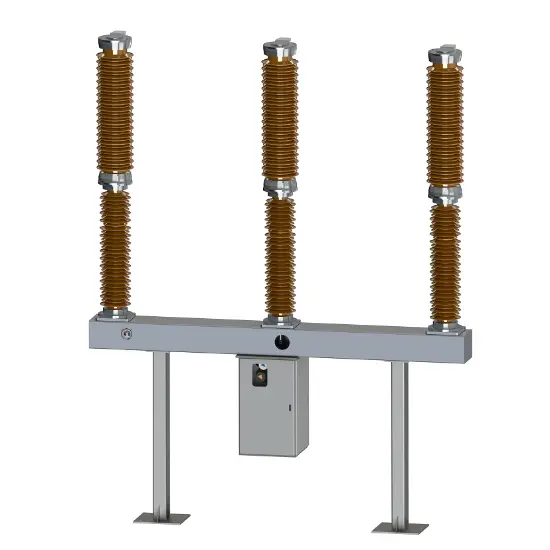
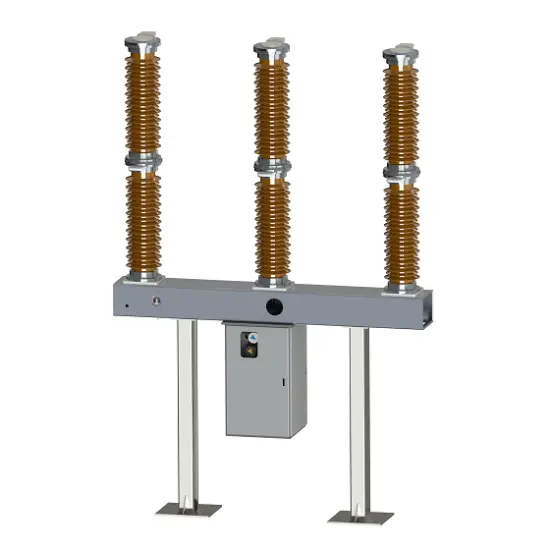
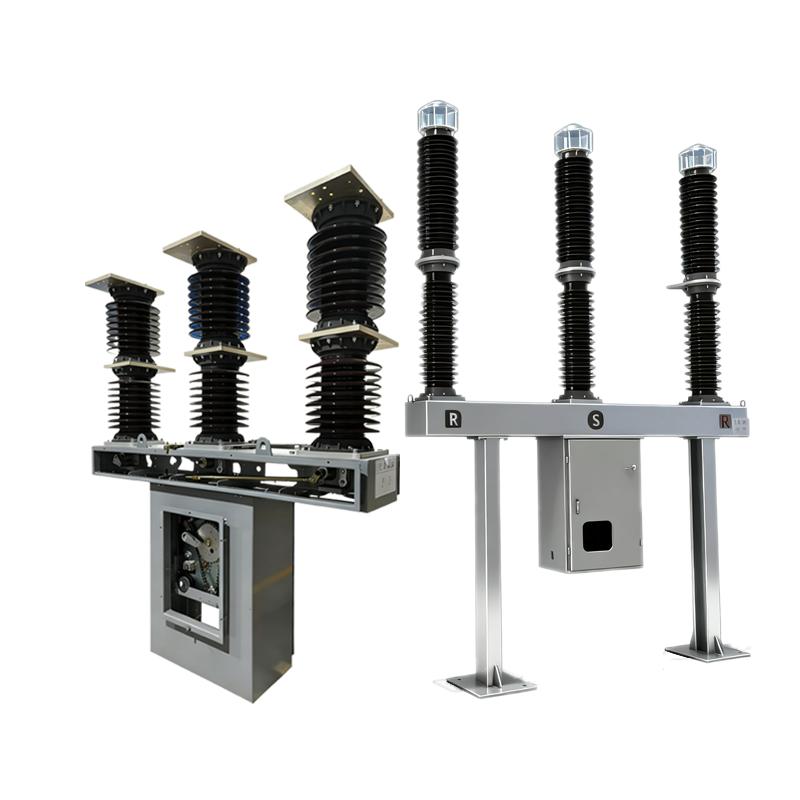
Three-phase post porcelain insulator with common single-spring mechanism, compact outdoor layout.
SF₆ serves as insulation & arc-quenching medium; three poles gas interlinked for stable performance.
Fitted with pointer density relay for real-time gas pressure & density monitoring.
Self-blast arc extinction reduces operating power and boosts mechanical efficiency.
Customized design available per client’s specific project demands.
Technical parameters
| Item | Unit | Parameter | |
|---|---|---|---|
| Rated voltage | kV | 123 | 145 |
| Rated frequency | Hz | 50/60 | |
| Rated current | A | up to 4000 | |
| Rated short-time withstand current, up to 3 s | kA | up to 63 | |
| Rated peak withstand current | kA | up to 158 | |
| Rated short-duration power-frequency withstand voltage, 1 min | kV | 230 | 275 |
| Power-frequency withstand voltage, 1 min across open contacts | kV | 265 | 315 |
| Rated lightning impulse withstand voltage, 1.2/50 μs | kV | 550 | 650 |
| Rated lightning impulse withstand voltage, 1.2/50 μs, across open contacts | kV | 650 | 750 |
| Rated filling pressure (abs. at 20 ℃) circuit-breaker | MPa | 0.6 | |
| Minimum functional pressure (abs. at 20 ℃) circuit-breaker | MPa | 0.5 | |
| Temperature range (ambient) | ℃ | -30…+40 | |
| Type of installation | — | outdoor | |
| Partial discharge capacity | pC | <5 | |
| SF₆ leakage rate per year | — | <0.5% | |
| Maintenance cycle | Year | 30 | |
Service environment
Ambient temperature: -25℃ ~ +40℃
Altitude: <1000m
Wind speed: <34m/s
Daily temperature difference: <25℃
Solar irradiance: <0.1w/cm²
Monthly average relative humidity: <90%
Ice-coating thickness: <10mm
Seismic acceleration resistance: Horizontal <0.2g, vertical <0.1g
Installation location: Outdoor
Dimension Drawing
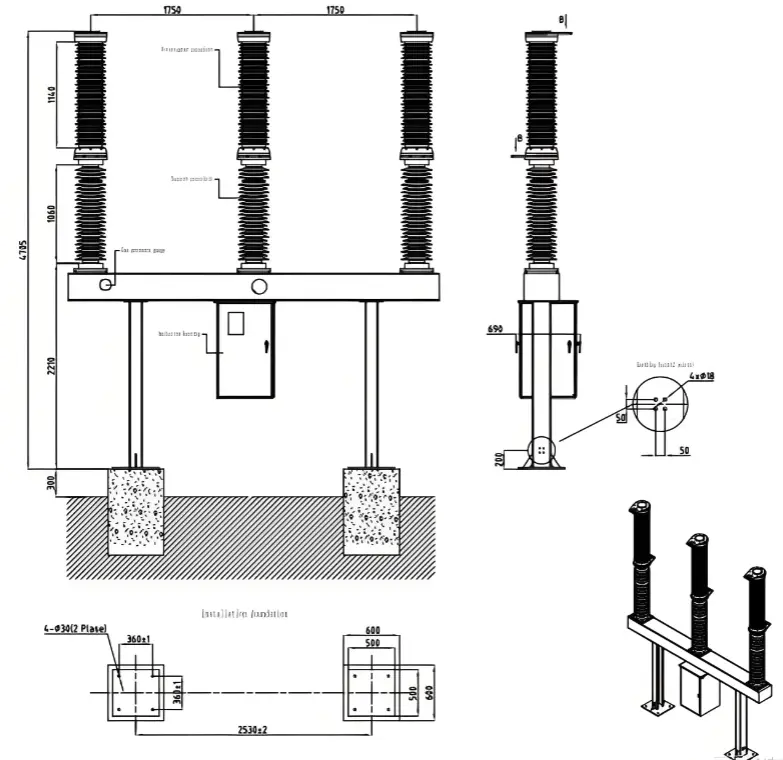
Documentation Resource Library Live tank SF6 Gas Circuit-Breaker
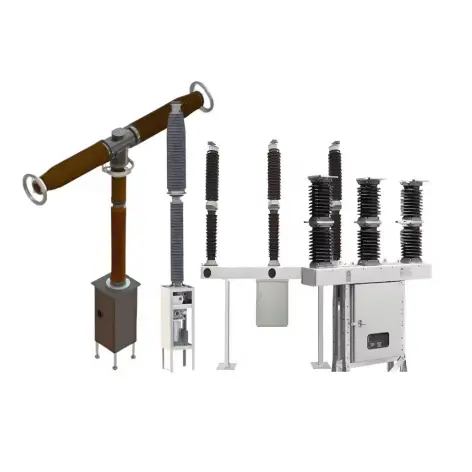
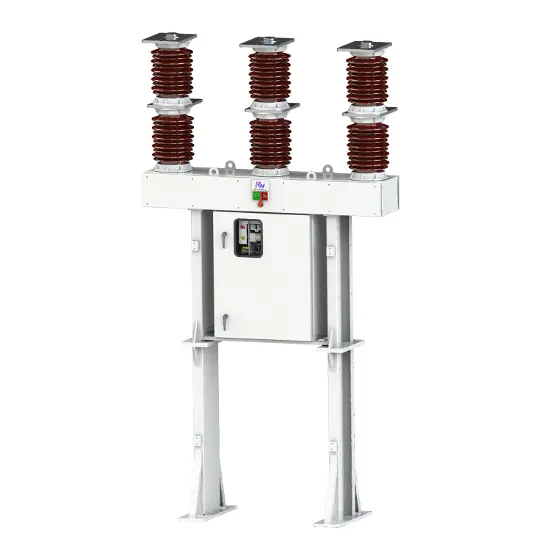
FAQ for Live tank SF6 Gas Circuit-Breaker
A live tank breaker (also called a porcelain column breaker) mounts its core components on top of porcelain insulators with an open, visible layout. A dead tank breaker encloses all core parts — including the arc extinguishing chamber and current path — inside a grounded metal tank, achieving a highly integrated and compact structure.
A live tank breaker relies on porcelain columns, air, or composite insulating materials for phase-to-ground insulation. A dead tank breaker uses SF₆ (or other insulating gases) inside a sealed metal tank, providing high insulation strength unaffected by external humidity or contamination.
In a live tank breaker, the arc chamber is mounted at the top or side of the column, exposed to ambient air. In a dead tank breaker, the arc chamber is placed inside the metal tank, fully sealed.
-
High Voltage Live tank SF6 Circuit Breaker 72.5kV 126kV 145kV 252kV
-
HV SF6 Dead tank Circuit Breaker supplier 420kV
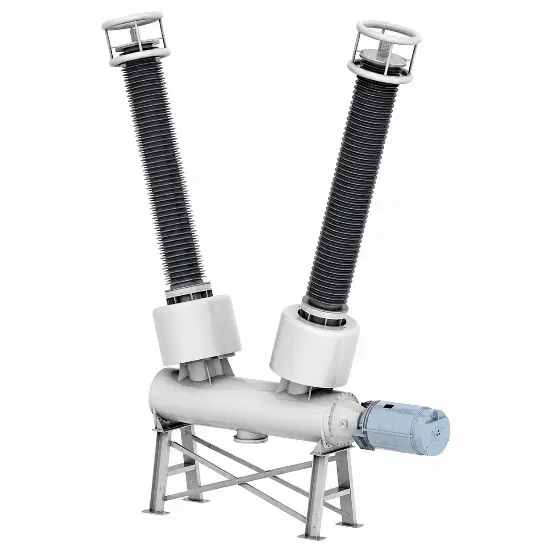
-
HV Live tank SF6 gas circuit breaker 252kV 420kV 550kV
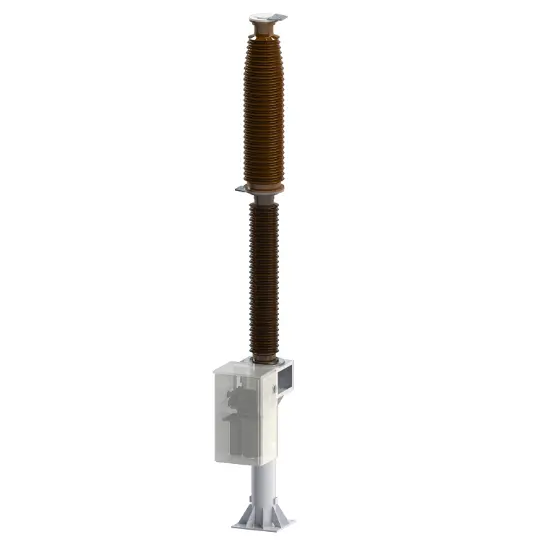
-
Outdoor Live tank SF6 gas circuit breaker 72.5kV
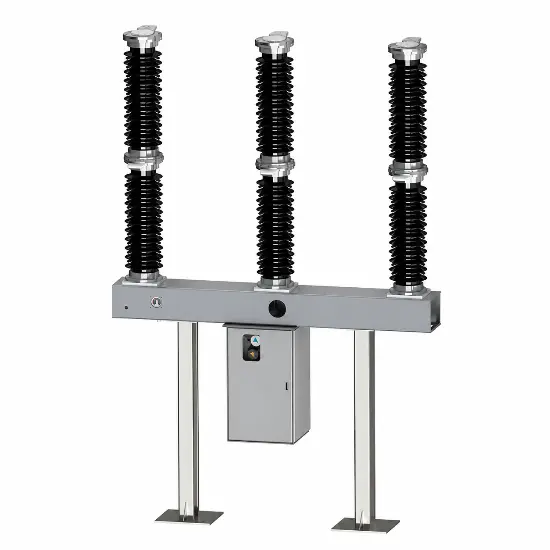
-
HV Live tank SF6 gas circuit breaker 52kV
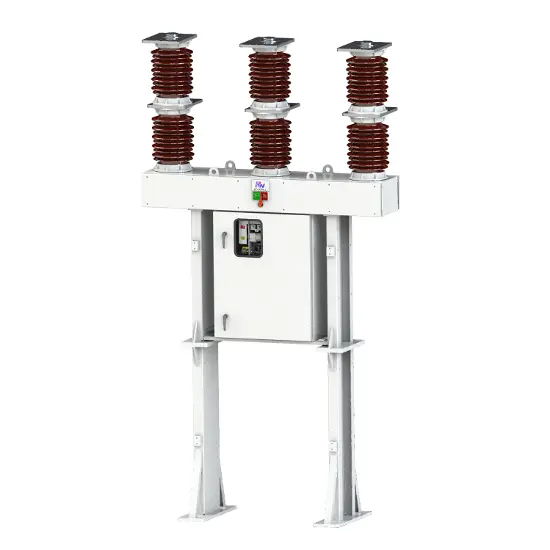
-
Live tank SF6 gas circuit breaker 40.5kV to 362kV
-
Customization 123kV 145kV or Others Live tank SF6 Gas Circuit-Breaker