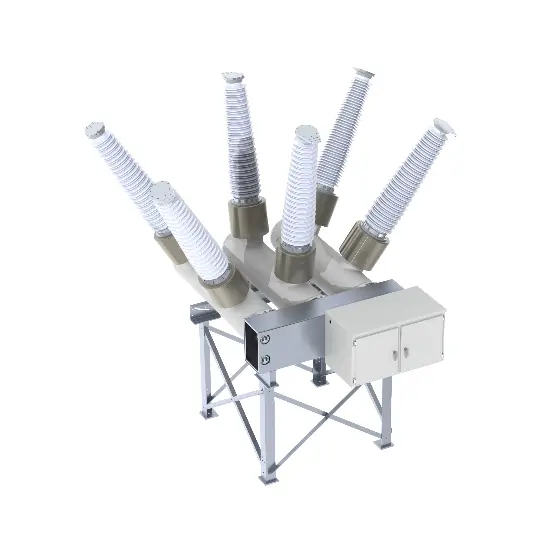
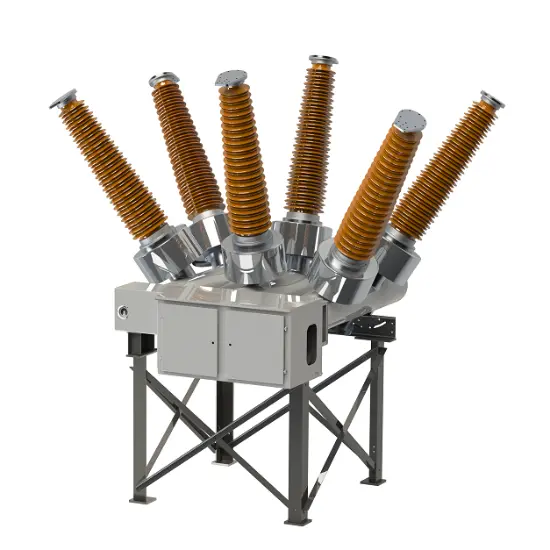
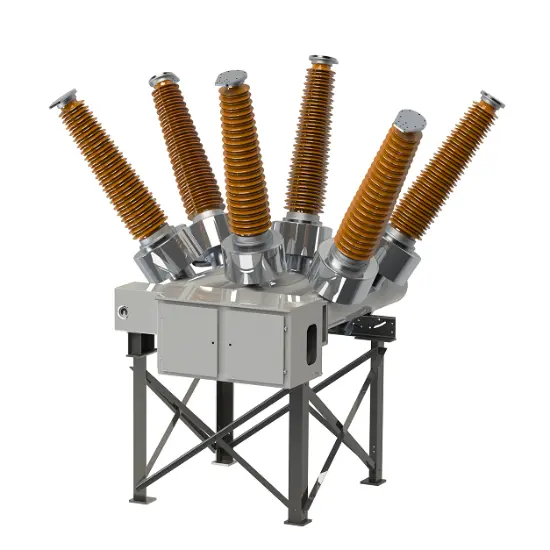
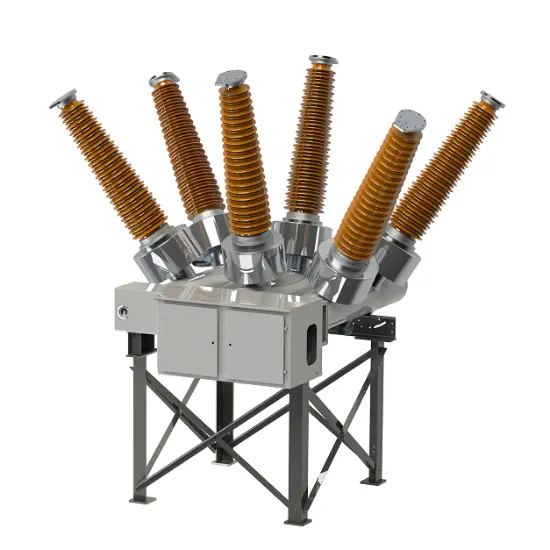
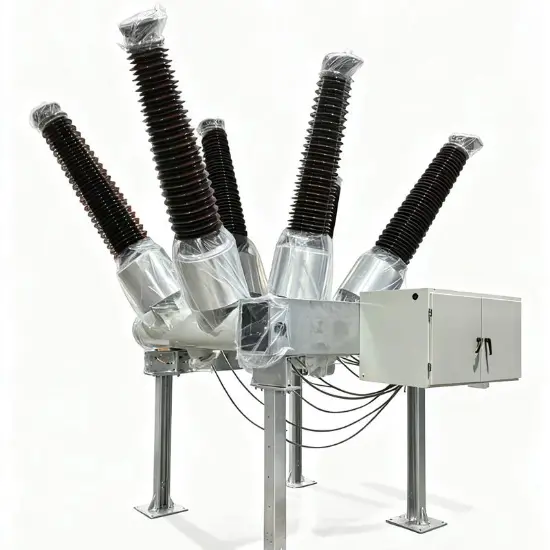
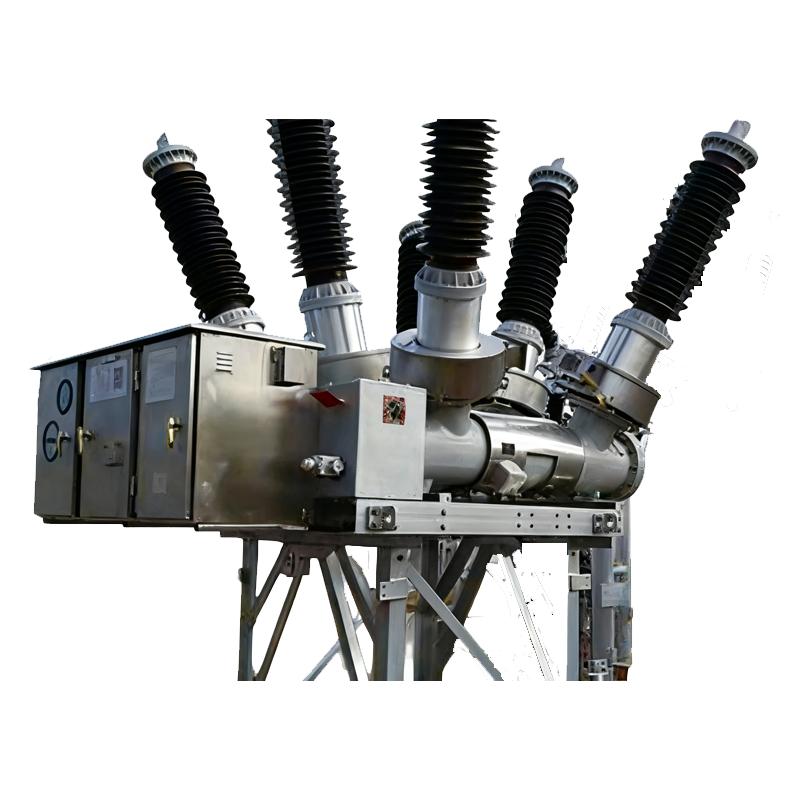
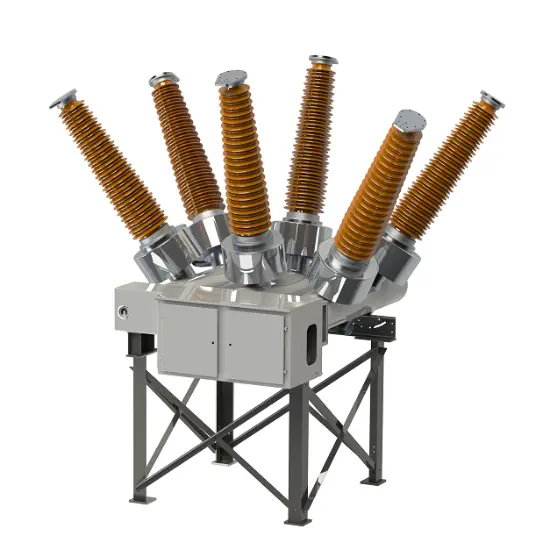
High-voltage AC Dead tank SF6 circuit breaker 145kV 170kV
Key attributes
| Brand | ROCKWILL |
| Series | RHD |
| Rated maximum voltage | 145kV/170kV |
| Rated maximum current | 2000-4000A |
| Rated short-circuit breaking current | 31.5-50kA |
| Rated frequency | 50/60Hz |
Description
This series of high-voltage AC dead tank SF₆ circuit breakers is designed for reliable interruption of load currents and fault currents in transmission and substation networks at 72.5kV and 145kV voltage classes. Each unit is equipped with a pure spring operating mechanism, delivering simple structure, high reliability, and maintenance convenience without the need for hydraulic oil or compressed air.
The dead tank design offers a low center of gravity, superior seismic performance, and built-in current transformer integration. The self-energy arc-extinguishing principle reduces operating power demands while enhancing interruption reliability.
Core Features
- Adopting mature self-blast arc quenching design to lower operating power and secure reliable fault current interruption.
- Constructed with three-phase post porcelain insulator to realize superior external insulation and outstanding anti-pollution performance.
- Fitted with pointer density relays to continuously monitor internal gas pressure and density for safe operational supervision.
- All design and type tests comply with IEC, CEI, GB, JB and DL; customized production plus tailor-made design solutions are available per project needs.
Dead Tank Advantages
Low center of gravity provides enhanced seismic performance compared to live tank (porcelain column) designs. Built-in CT eliminates external CT insulation and space concerns. Grounded tank enclosure enhances personnel safety.
Technical Parameters
| Rated maximum voltage | kV | 145 |
| Rated maximum current | A | 2500~4000 |
| Rated frequency | Hz | 50/60 |
| Lightning impulse withstand voltage | kV | 650/750 |
| Rated short-circuit breaking current | kA | 31.5~50 |
| Rated peak withstand current | kA | 100~125 |
| Creepage distance | mm/kV | 25~31 |
| Partial discharge | pC | ≤10 |
| Opening time | ms | ≤30 |
| Alarm/blocking pressure | MPa | 0.45/0.40 |
| Gas moisture content | ppm(v) | ≤150 |
| Heater voltage | V | AC220 |
| Voltage of energy-store motor | V | DC110/220 |
| 1min Power frequency withstand voltage | kV | 275/315 |
| First open pole factor | — | 1.5 |
| Rated short-circuit duration | s | 3 |
| Rated cable/line charging breaking current | A | 160~200 |
| Rated making current (peak) | kA | 100~125 |
170kV
| Rated maximum voltage | kV | 170 |
| Rated maximum current | A | 2500~4000 |
| Rated frequency | Hz | 50/60 |
| Lightning impulse withstand voltage | kV | 750/860 |
| Rated short-circuit breaking current | kA | 31.5~50 |
| Rated peak withstand current | kA | 100~125 |
| Creepage distance | mm/kV | 25~31 |
| Partial discharge | pC | ≤10 |
| Opening time | ms | ≤30 |
| Alarm/blocking pressure | MPa | 0.55/0.50 |
| Gas moisture content | ppm(v) | ≤150 |
| Heater voltage | V | AC220 |
| Voltage of energy-store motor | V | DC110/220 |
| 1min Power frequency withstand voltage | kV | 325/365 |
| First open pole factor | — | 1.5 |
| Rated short-circuit duration | s | 3 |
| Rated cable/line charging breaking current | A | 160~250 |
| Rated making current (peak) | kA | 100~125 |
Service Conditions
-
Standard: Indoor or outdoor installation, altitude ≤1000m, ambient temperature –25°C to +40°C
-
Extended: For altitudes up to 3000m, consult with the manufacturer for insulation reinforcement measures
-
Low Temperature: For operation at –40°C, anti-liquefaction measures for SF₆ gas must be implemented (heating or gas mixture)
-
Pollution: Suitable for Class III (heavy) and below pollution environments
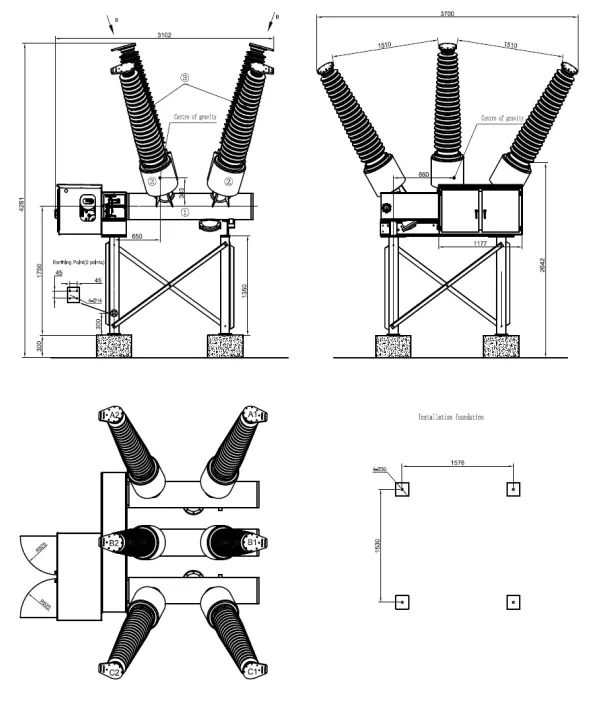
Dimensioned Outline
145kV
Documentation Resource Library Dead Tank Circuit Breaker
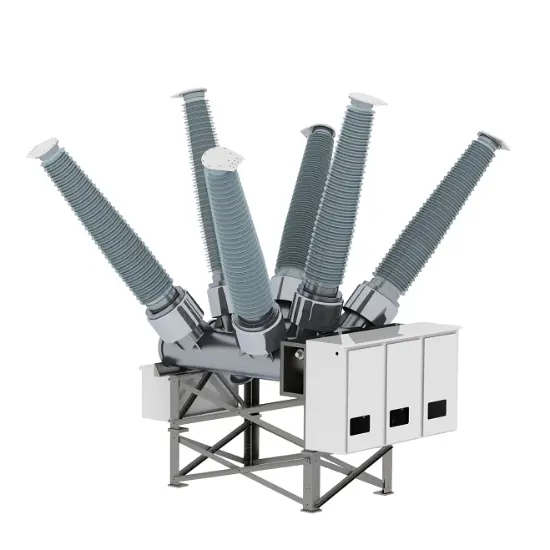
FAQ for Dead Tank Circuit Breaker
During the normal operation and interruption processes of a circuit breaker, SF₆ gas can decompose, producing various decomposition products such as SF₄, S₂F₂, SOF₂, HF, and SO₂. These decomposition products are often corrosive, toxic, or irritating, and therefore require monitoring.If the concentration of these decomposition products exceeds certain limits, it may indicate abnormal discharges or other faults within the arc quenching chamber. Timely maintenance and handling are necessary to prevent further damage to the equipment and to safeguard personnel health.
The leakage rate of SF₆ gas must be controlled at an extremely low level, typically not exceeding 1% per year. SF₆ gas is a potent greenhouse gas, with a greenhouse effect 23,900 times that of carbon dioxide. If a leak occurs, it can not only cause environmental pollution but also lead to a decrease in the gas pressure within the arc quenching chamber, affecting the performance and reliability of the circuit breaker.
To monitor the leakage of SF₆ gas, gas leakage detection devices are typically installed on tank-type circuit breakers. These devices help to promptly identify any leaks so that appropriate measures can be taken to address the issue.
The interrupter is typically installed inside the tank, resulting in a highly compact overall structure that enables efficient arc quenching within a limited space. Depending on the arc extinguishing principle and technical approach, the specific configuration of the interrupter may vary, but all designs include core components such as moving/stationary contacts, a nozzle, and insulating parts. During opening operation to interrupt the current, these components work together to achieve fast and reliable extinction of the arc.
-
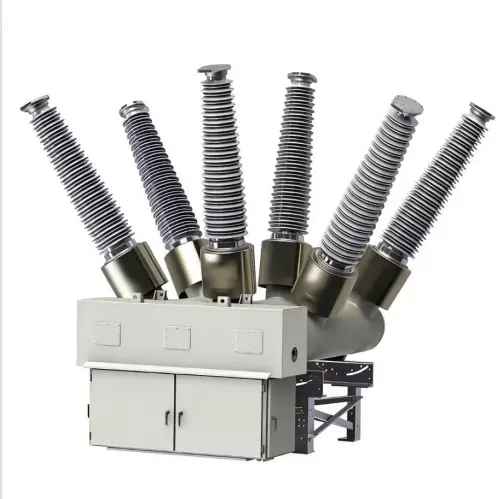
SF6 Free/Pure Air Dead tank vacuum circuit breaker 12kV-145kV
-
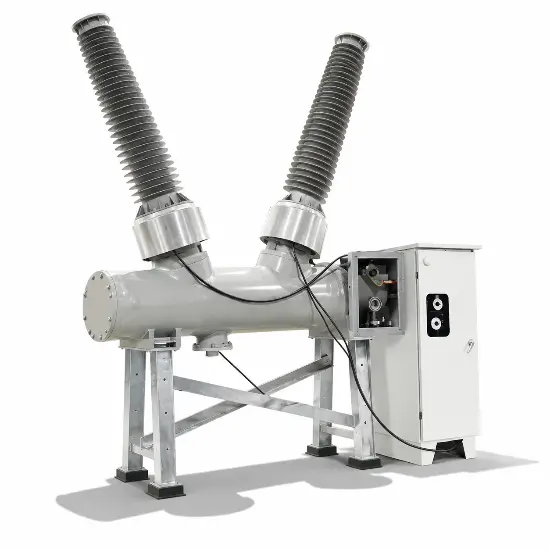
Customization Dead tank SF6 Gas Circuit-Breaker 362kV- 550kV
-
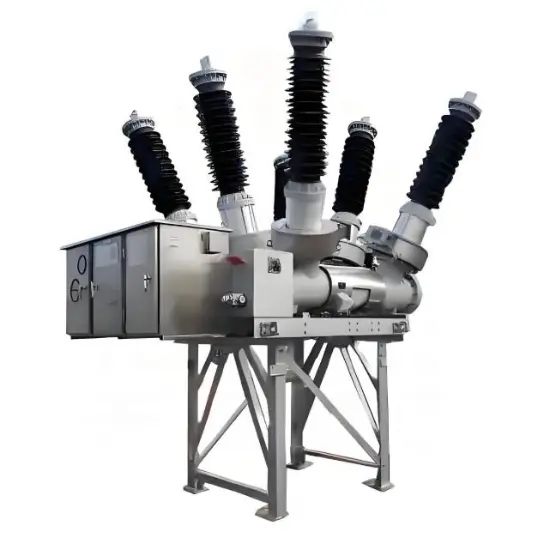
High-voltage AC Dead tank SF6 circuit breaker 145kV 170kV
-
Outdoor Dead Tank SF6 Circuit Breaker direct supply 362kV
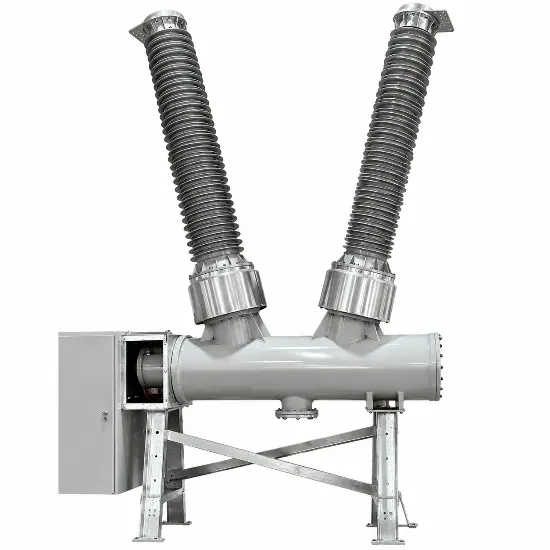
-
Dead Tank SF6 Circuit Breaker Original Manufacturer-115kV to 170kV
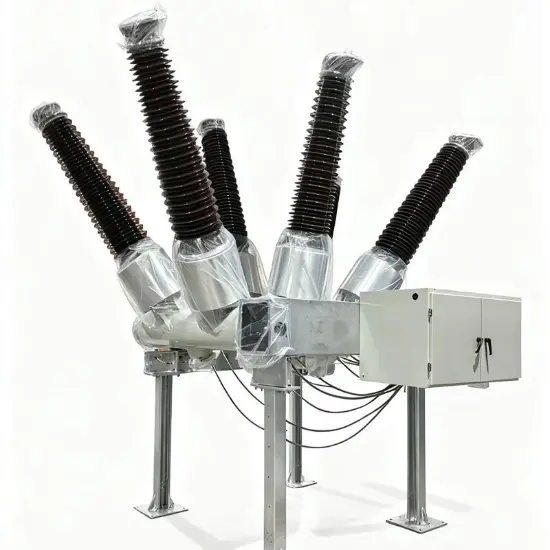
-
Dead Tank Vacuum Circuit Breaker(VCB)-36kV / 72.5kV
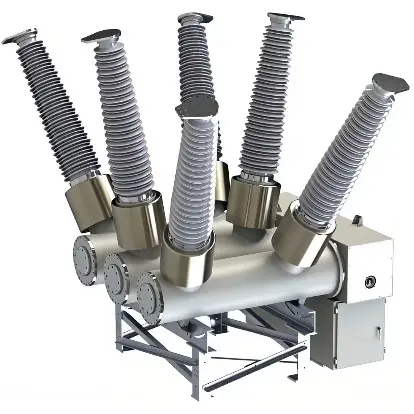
-
Maintenance-Free HV Dead-Tank SF6 Circuit Breaker for Large-Scale Substations-230kV to 252kV
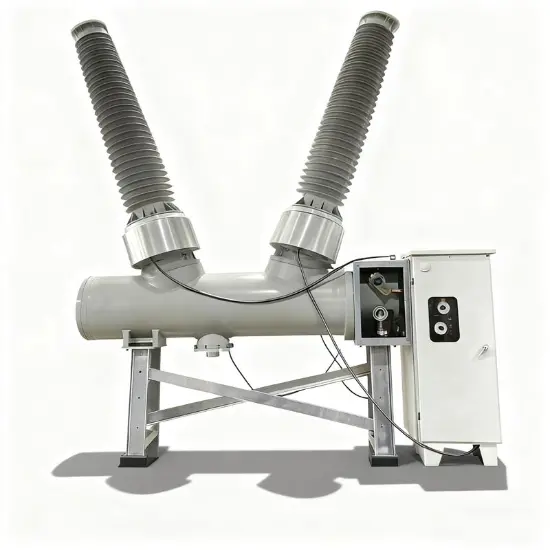
-
Original Manufacturer Dead-Tank SF6 Circuit Breaker-170kV
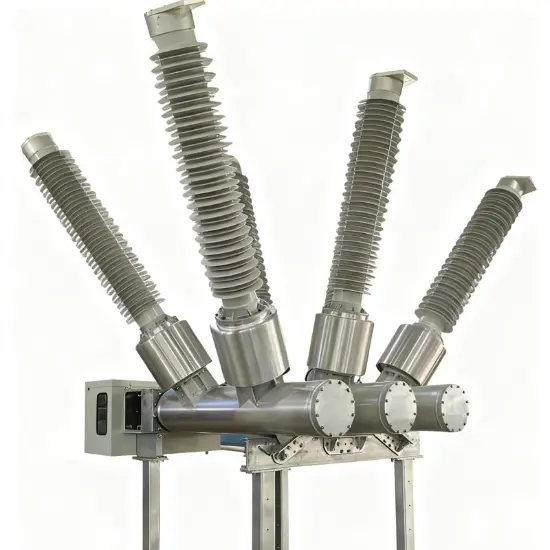
-
SF₆-free Dead Tank Circuit Breaker-72.5 kV
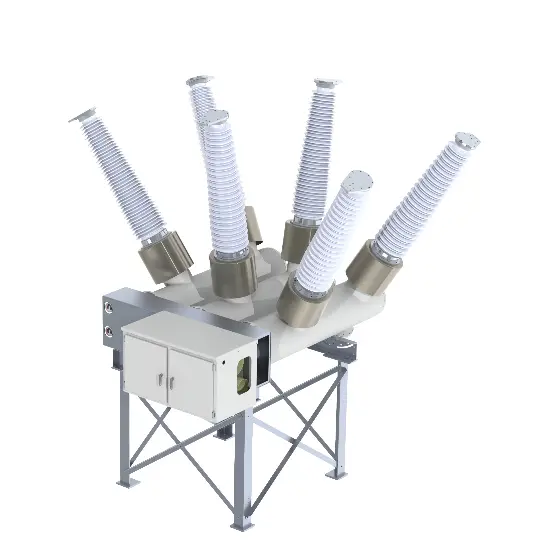
-
High reliability SF6-free Dead Tank Circuit Breaker-145 kV