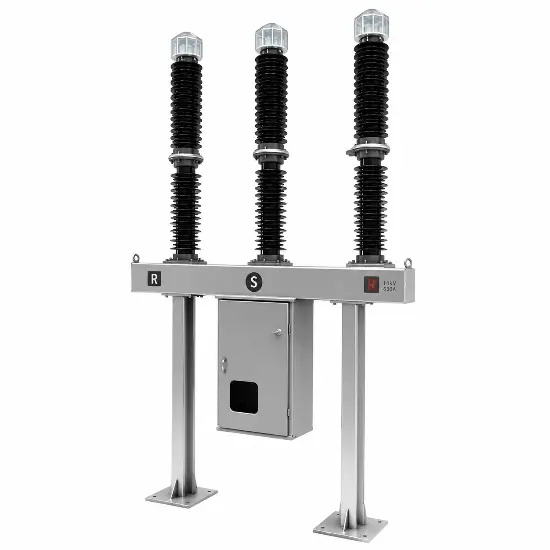
Reliable Live tank SF6 gas circuit breaker 145kV-362kV
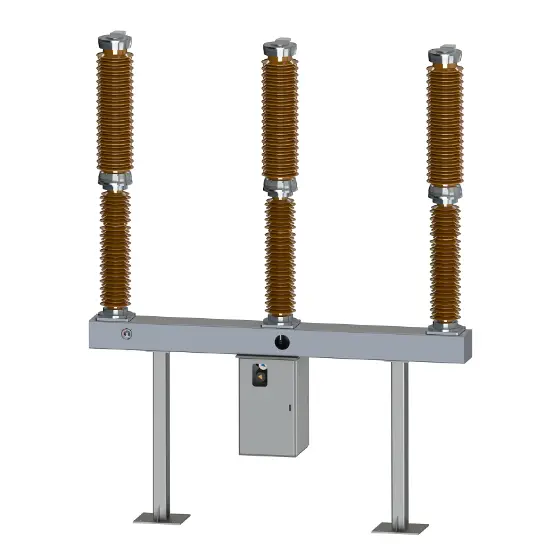
Key attributes
| Brand | ROCKWILL |
| Series | RHB |
| Rated voltage | 145 kV/252kV/362kV |
| Rated short-time withstand current | up to 63 kA |
| Rated peak withstand current | up to 158 kA |
| Rated frequency | 50/60 Hz |
Description
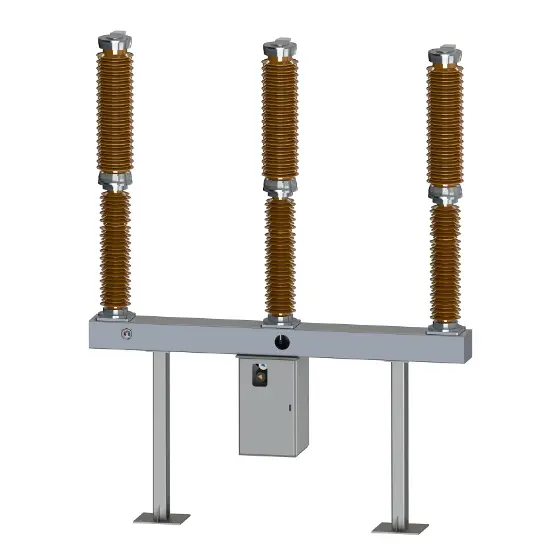
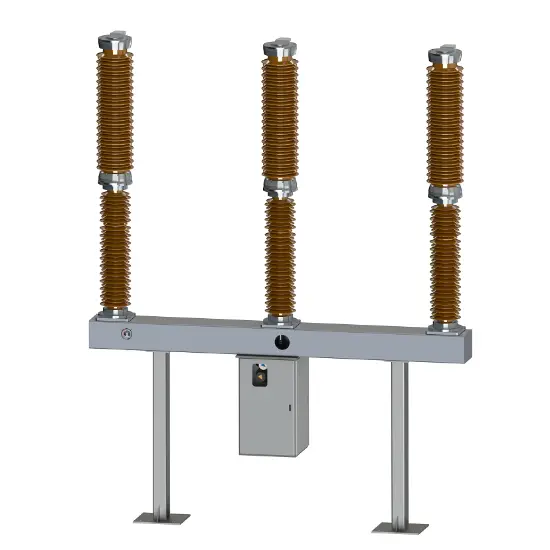
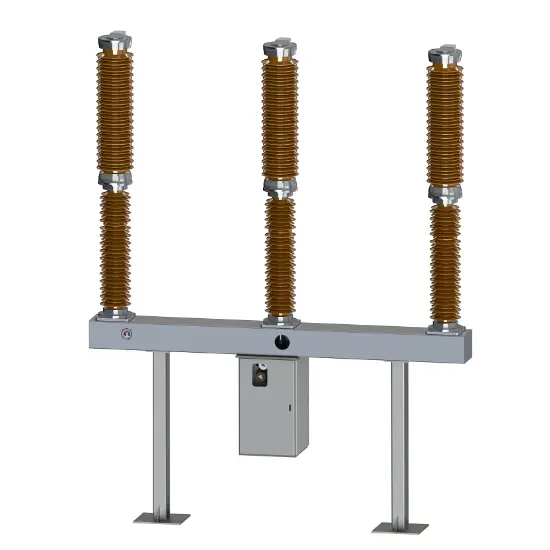
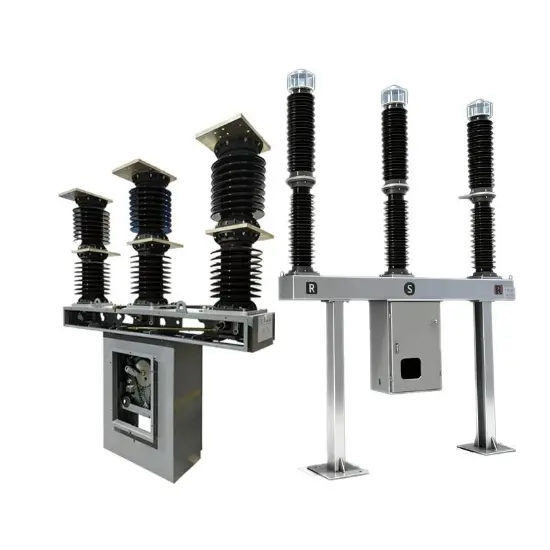
RHB Live Tank SF₆ Circuit Breaker uses self-blast arc extinguishing and three-phase porcelain post structure with CT spring mechanism and pointer density relay. Designed for outdoor 50Hz transmission network for load/fault current switching, available for single/three-pole switching and auto-reclosing, outstanding for low operating power and high reliability.
Core Advantages
-
Self-blast arc extinction design minimizes operating power;
-
Three-phase outdoor porcelain post insulation, strong environmental adaptability;
-
Pointer density relay continuously monitors SF₆ status to guarantee safe operation;
-
CT-type spring mechanism, stable action, low noise & easy installation.
Working Principle
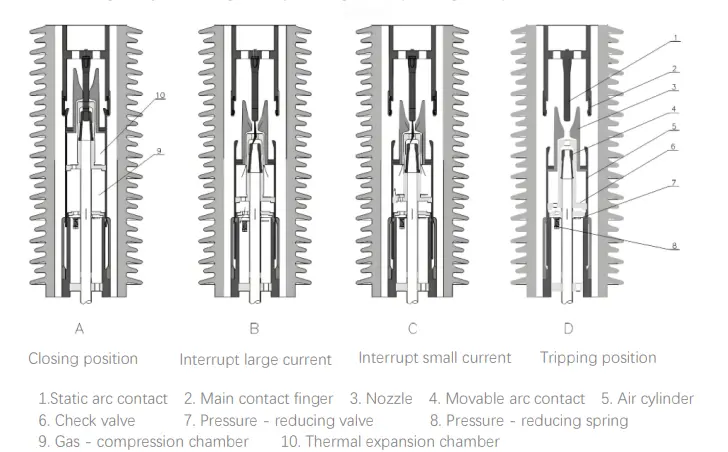
Upon trip signal, trip spring drives the integrated moving assembly (cylinder, moving arc contact & connecting rod) downward. Main contacts separate first, shifting circuit current onto closed arc contacts; arc generates once arc contacts part.
For short-circuit breaking, massive arc energy heats surrounding SF₆ gas and feeds high-temperature airflow into thermal expansion chamber to build high-pressure cold gas, closing the check valve. At current zero-crossing, high-pressure gas blasts across contact gap to quench arc efficiently.
Meanwhile, compression chamber’s excess pressure opens bottom elastic pressure relief valve to release redundant gas pressure, drastically cutting required operating work of the spring mechanism and optimizing breaking performance.
Main technical parameters
| Item | Unit | 145kV | 252kV | 363kV |
|---|---|---|---|---|
| Rated voltage | kV | 145 | 252 | 363 |
| Rated frequency | Hz | 50/60 | ||
| Rated current | A | up to 5000 | ||
| Rated short-time withstand current, up to 3 s | kA | up to 63 | ||
| Rated peak withstand current | kA | up to 158 | ||
| 1min power-frequency withstand voltage (earth) | kV | 275 | 460 | 460 |
| 1min power-frequency withstand voltage (across open contacts) | kV | 315 | 530 | 530 |
| Rated lightning impulse withstand voltage, 1.2/50 μs (earth) | kV | 650 | 1050 | 1175 |
| Rated lightning impulse withstand voltage, 1.2/50 μs (across open contacts) | kV | 750 | 1200 | 1380 |
| Rated filling pressure (abs. at 20 ℃) circuit-breaker | MPa | 0.6 | ||
| Minimum functional pressure (abs. at 20 ℃) circuit-breaker | MPa | 0.5 | ||
| Ambient temperature range | ℃ | -30~+40 | ||
| Type of installation | — | Outdoor | ||
| Partial discharge | pC | <5 | ||
| Annual SF₆ leakage rate | — | <0.5% | ||
| Maintenance cycle | Year | 30 |
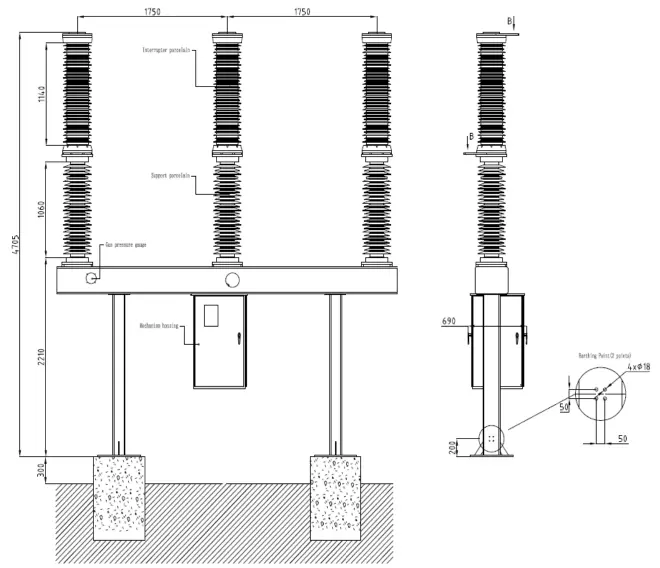
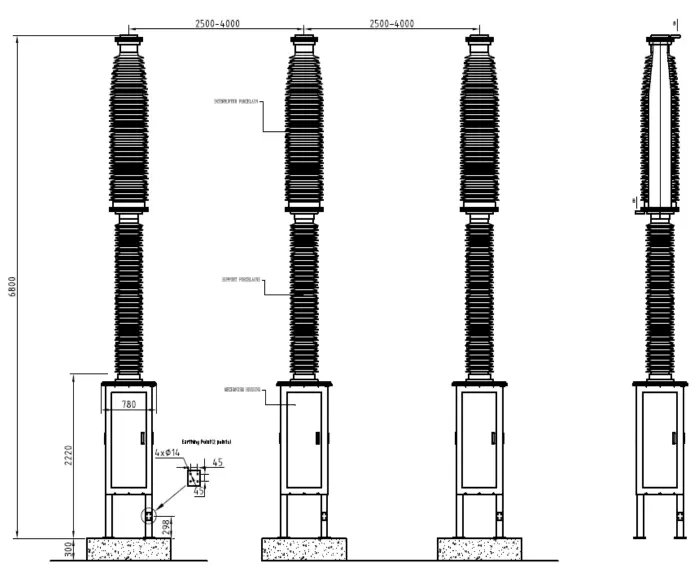
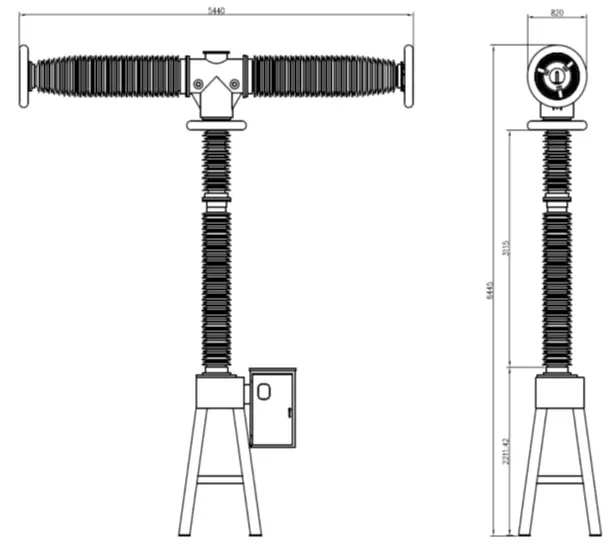
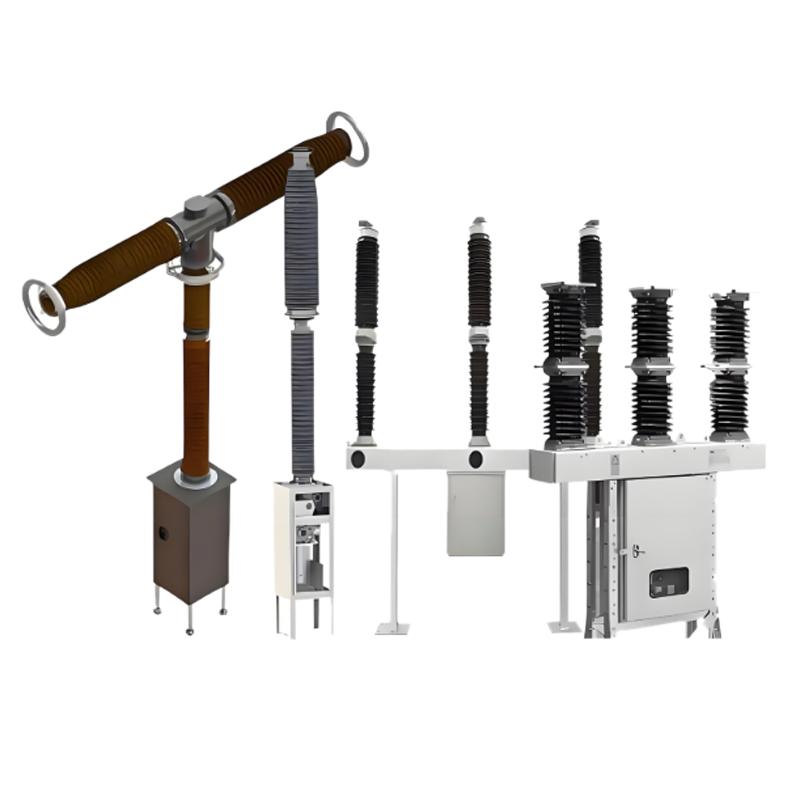
Live tank SF6 gas circuit breaker drawings
RHB-145
RHB-245
RHB-362
Service environment
| Ambient temperature | -30℃ ~ +40℃ |
| Altitude | <1000m |
| Wind speed | <34m/s |
| Daily temperature difference | <25℃ |
| Solar irradiance | <0.1W/cm² |
| Monthly average relative humidity | <90% |
| Ice-coating thickness | <10mm |
| Seismic acceleration resistance | Horizontal < 0.2g,vertical < 0.1g |
| Installation location | Outdoor |
Documentation Resource Library SF6 circuit breaker
FAQ for SF6 circuit breaker
ABB’s high-voltage live-tank vacuum breakers are reliable but costly with long lead times. Hitachi Energy is mature yet lacks local high-voltage track records and smart features. Schneider Electric excels in 40.5kV distribution but is limited in voltage range and extreme performance. In contrast, Rockwill offers up to 363kV SF₆-free vacuum solutions with fast local service and spare parts delivery. Featuring robust mechanisms, full smart functions, and superior resistance to extreme cold, heavy salt fog, and short-circuit currents, our breakers ensure long maintenance-free service and lower LCC.
Q:Can Rockwill custom-engineer or modify Live tank Vacuum circuit breaker specifications to meet project-specific requirements?
A:
Rockwill provides comprehensive customized design and parameter modification for live tank vacuum circuit breakers to meet diverse project requirements. Backed by our professional R&D team, we flexibly adjust product structures, technical parameters and environmental adaptability, delivering exclusive tailored solutions in line with various on-site conditions and project standards.
In a live tank breaker, the arc chamber is mounted at the top or side of the column, exposed to ambient air. In a dead tank breaker, the arc chamber is placed inside the metal tank, fully sealed.
-
Compact HV Live tank SF6 Circuit Breaker-72.5kV to 245kV
-
EHV SF6 Dead tank Circuit Breaker supplier 420kV
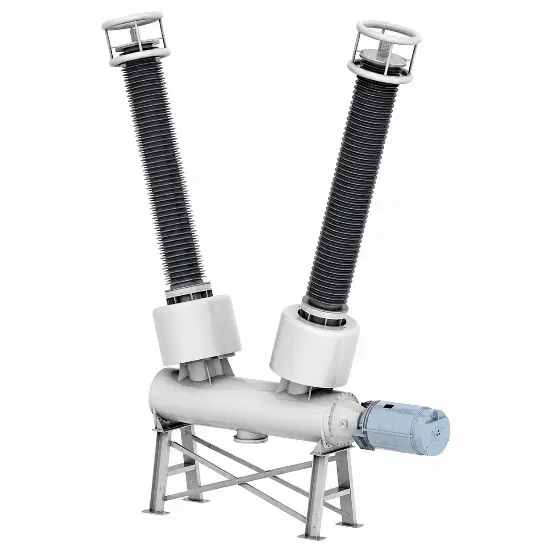
-
Reliable HV Live tank SF6 gas circuit breaker-252kV to 550kV
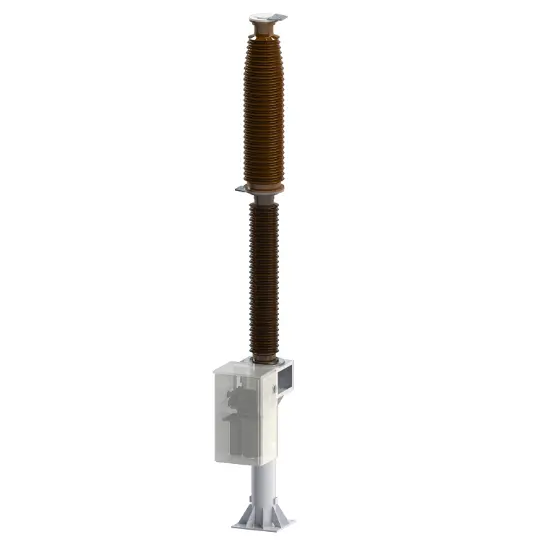
-
Outdoor Live tank SF6 gas circuit breaker 72.5kV
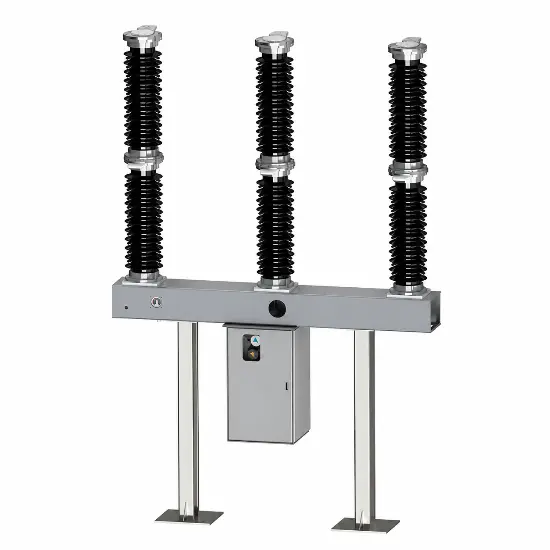
-
IEC standard HV Live tank SF6 gas circuit breaker-52kV
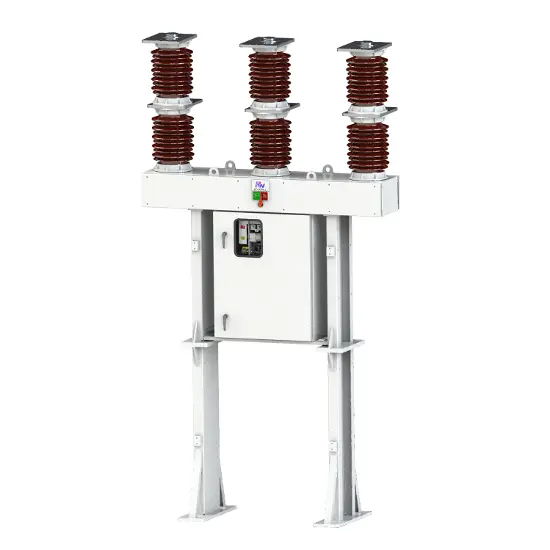
-
Live tank SF6 gas circuit breaker Manufacturer 40.5kV to 362kV
-
Customization Live tank SF6 Gas Circuit-Breaker-123kV 145kV