Midnight Voltage Surge to 420V Causes Plant Shutdown? The RVR-1 Automatic Voltage Regulator Breaks the
Introduction: A "Low-Load Hours" Crisis That Struck in the Early Morning
Between 1:00 AM and 7:30 AM on August 24, while most plants were in their low-production overnight window, one facility was forced to shut down three times in succession due to voltage spikes reaching 420V. This was not a grid fault, but a classic case of "off-peak voltage over-limit."
During late-night hours when grid load is light, line losses are minimal, and excess reactive power causes the terminal voltage to rise sharply. For precision manufacturing plants whose operating voltage constantly hovers at the dangerous edge of 410–412V, such violent fluctuations pose a fatal threat to production safety.
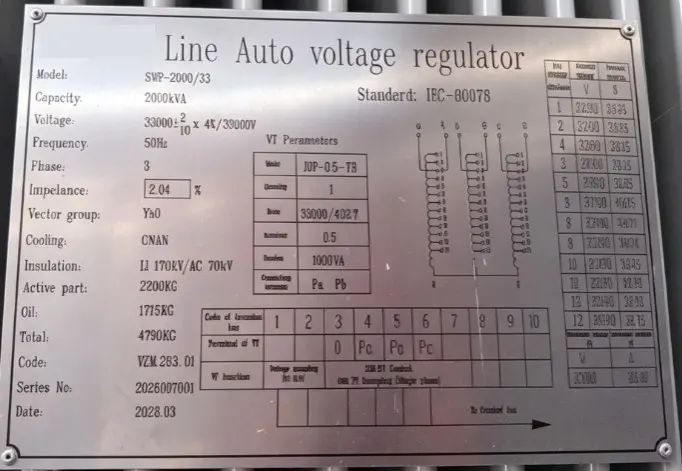
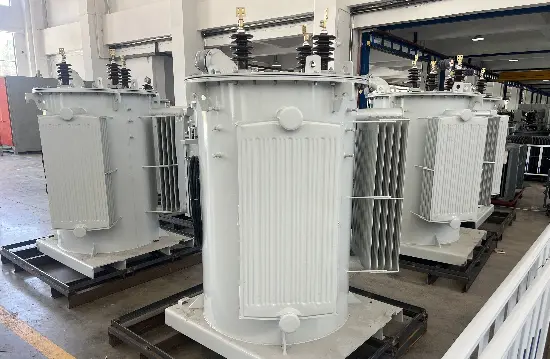
Line Auto‑Voltage Regulator
1. Pain Point Analysis: Why Do Traditional Regulators "Fail to Optimize" Under Severe Fluctuations?
Many plants are equipped with conventional 13-tap voltage regulators. However, their 4% per-step regulation span (approx. 16V) becomes a blunt "battleaxe" incapable of performing "microsurgery" when facing drastic voltage swings. This "coarse-step" approach creates an inherent physical contradiction in precision production environments:
1.1 The Dilemma of Hysteresis and Overshoot
When the incoming voltage rises rapidly at night, the regulator must act to step down. But a 4% step is like swinging an axe—it cannot make fine adjustments. If the current voltage is moderately high, dropping one tap (–4%) may plunge the system below 390V, triggering an undervoltage shutdown. Leaving it unchanged or raising it one tap, on the other hand, lets voltage exceed 410V and trips overvoltage protection.
1.2 The Control System "Bandwidth Contradiction"
The customer's desired regulation window (390–410V) is only 20V wide (approx. 5%). Yet the regulator's single-step span is already 4% (≈16V). If the controller bandwidth is set below 4%, it triggers frequent back-and-forth switching (hunting oscillation); if set above 4%, some voltage will inevitably remain above 410V, resulting in protective shutdowns.
1.3 The Limitation of Fixed Distribution Transformer Taps
The downstream distribution transformer has a fixed tap ratio. If the tap is lowered to cope with nighttime overvoltage, then during daytime heavy loading when grid voltage sags, even with the regulator at its highest tap, the system may fail to meet the minimum startup voltage for production machinery.
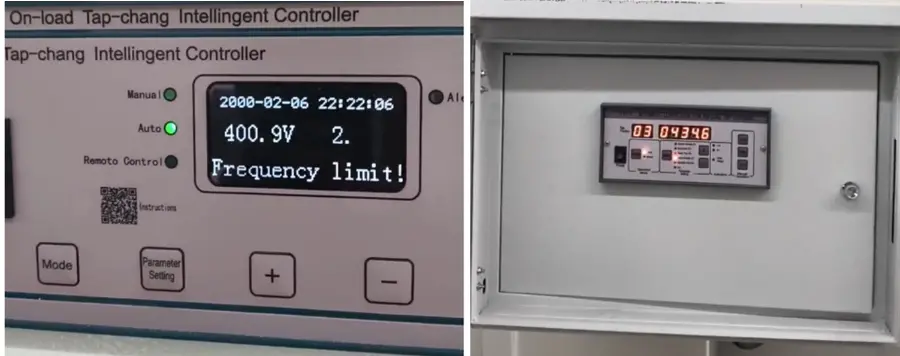
Normal Range Comparison Chart vs Voltage Overvoltage
2. Interim Strategy: Implementing a "Dimension-Reduction Fine-Tuning" Combined Control Scheme
To resolve the conflict between wide-swing grid voltage and coarse-step regulators—before equipment replacement—it is essential to reconfigure the coordination between upstream and downstream stages, creating sufficient buffer margin for each 16V step change:
Proactively Lower the High-Voltage Baseline: Set the target voltage on the controller to 32.7 kV. When nighttime grid voltage rises sharply, this 0.3 kV of proactive voltage headroom effectively prevents the terminal voltage from breaching the upper limit.
Expand the Low-Voltage Buffer Zone: Since lowering the high-voltage baseline increases the risk of voltage dips during daytime heavy loads, the low-voltage undervoltage protection threshold on downstream machinery must be adjusted downward and set to 380V, while ensuring the system can operate safely within the 370V–415V protection range. This artificially creates a safety margin as wide as 45V—sufficient to fully absorb the 4% step-induced fluctuations and eliminate frequent hunting shutdowns.
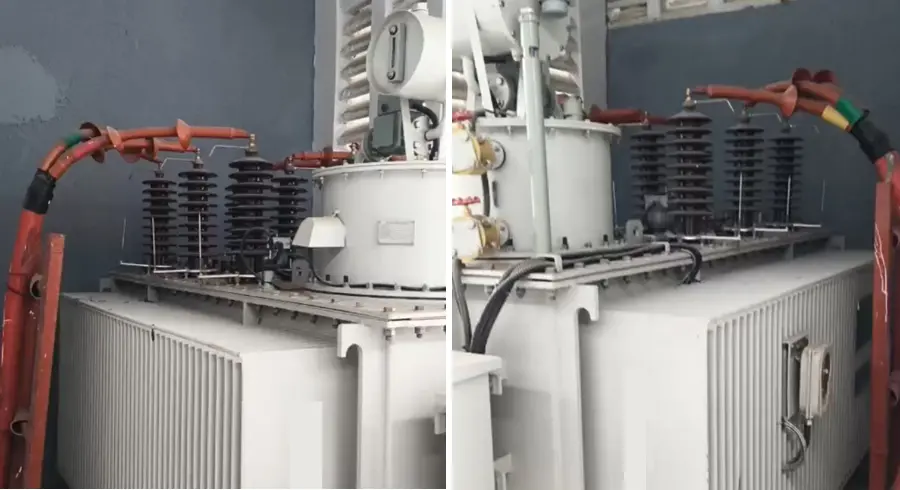
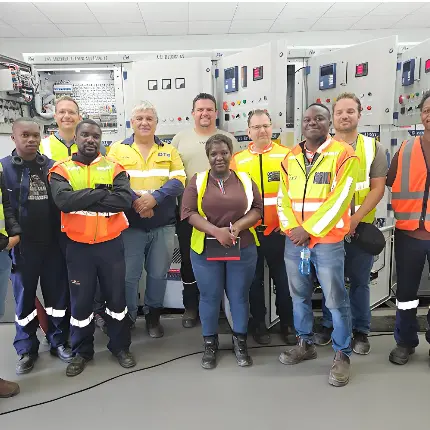
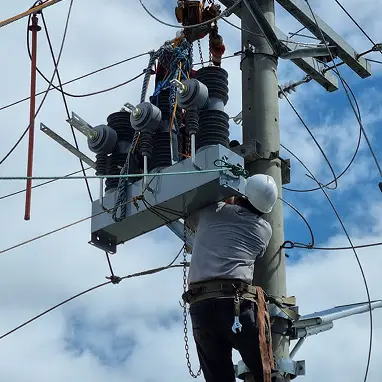
Site Operation Diagram
3. The Ultimate Solution: From "Battleaxe" to "Microsurgery" — The RVR-1 Automatic Voltage Regulator
The above combined adjustment strategy is an optimized limit-state workaround for 13-tap equipment. It ensures safe operation under most conditions, but it cannot lock the voltage strictly within the narrow 390V–410V band.
If your production processes in the future demand the highest precision in voltage stability—requiring the voltage to be firmly maintained within a tight range—then the RVR-1 Automatic Voltage Regulator from our company is the solution you need.
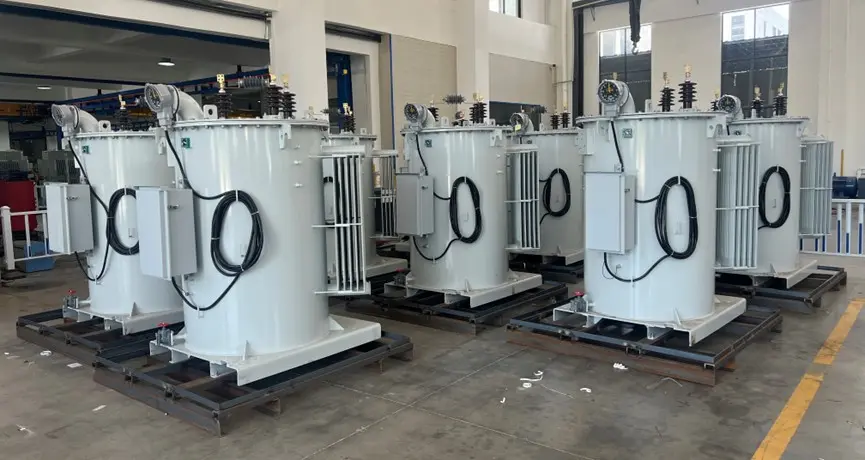
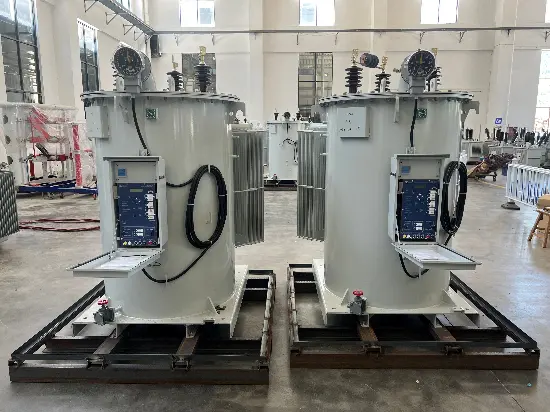
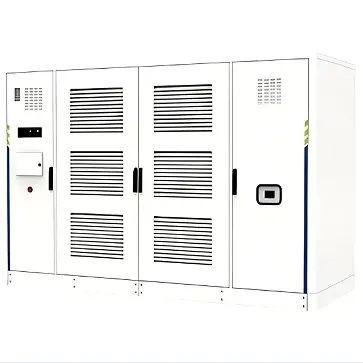
Physical Photo of RVR‑1 Voltage Regulator
Core Technical Advantages of the RVR-1:
32-Tap High-Precision Regulation: Say goodbye to "battleaxe" stepping. The RVR-1 offers 32 taps, with each step providing an accuracy of 0.625%.
Precision Response: Whether facing reactive power surplus in the grid or sudden load changes, the RVR-1 delivers "microsurgery"-level compensation with extremely fine steps, completely eliminating overshoot and lag.
Stable Output: Regardless of high nighttime grid voltage or low daytime heavy-load conditions, the RVR-1 ensures that terminal voltage remains consistently within your preset safe range, guaranteeing uninterrupted production.
Closing Remarks
Voltage quality is the lifeblood of production. Moving from "passive reaction" to "active prevention," choosing high-precision voltage regulation equipment is the fundamental approach to mitigating grid fluctuations and safeguarding your facility's operations.
Deployed Equipment
-
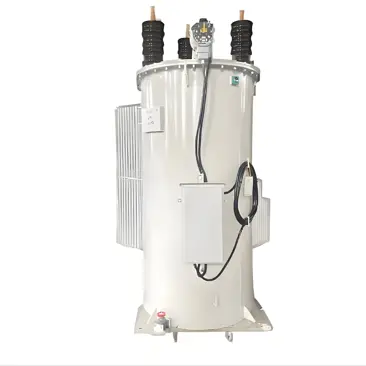 Overhead Voltage Regulator Voltage Stabilization and Compensation 6kV-33kVSingle-phase overhead step voltage regulator is an oil-immersed tap-changing autotransformer fully compliant with IEC 60076-21 special standard for line voltage regulators.It stabilizes fluctuating feeder voltage within ±10% boost & buck range via 32 independent tap steps (0.625% adjustment per step), effectively solving voltage drop caused by long-distance lines and variable loads.Dual 50Hz / 60Hz frequency design covers global distribution grids. Three mounting options are available: pole-
Reference Projects
-
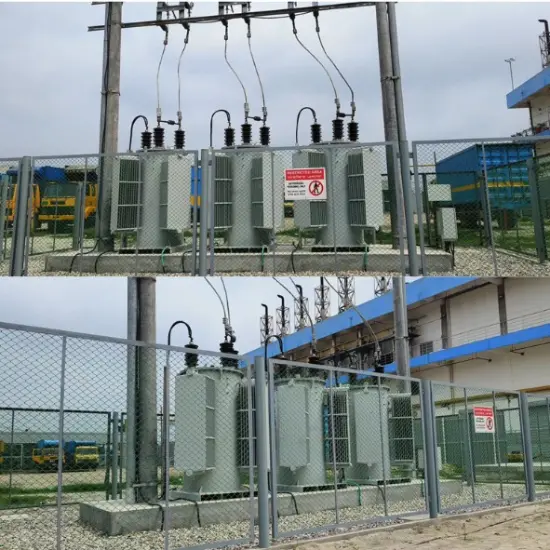 Successful Case of 263 Units of 33kV Oil-immersed 32-step Voltage Regulator Controller Project in BangladeshSuccessful Case of 263 Units of 33kV Oil-immersed 32-step Voltage Regulator Controller Project in Bangladesh01 Overall Project Overview1.1 Project BackgroundIn June 2024, 263 units of 33kV oil-immersed 32-step voltage regulator controller were officially delivered and applied to the Bangladesh Medium Voltage Distribution Network Upgrade Project. R&D and manufactured by Rockwill, these devices are used for voltage stability regulation, load fluctuation adaptation and power supply quality impr